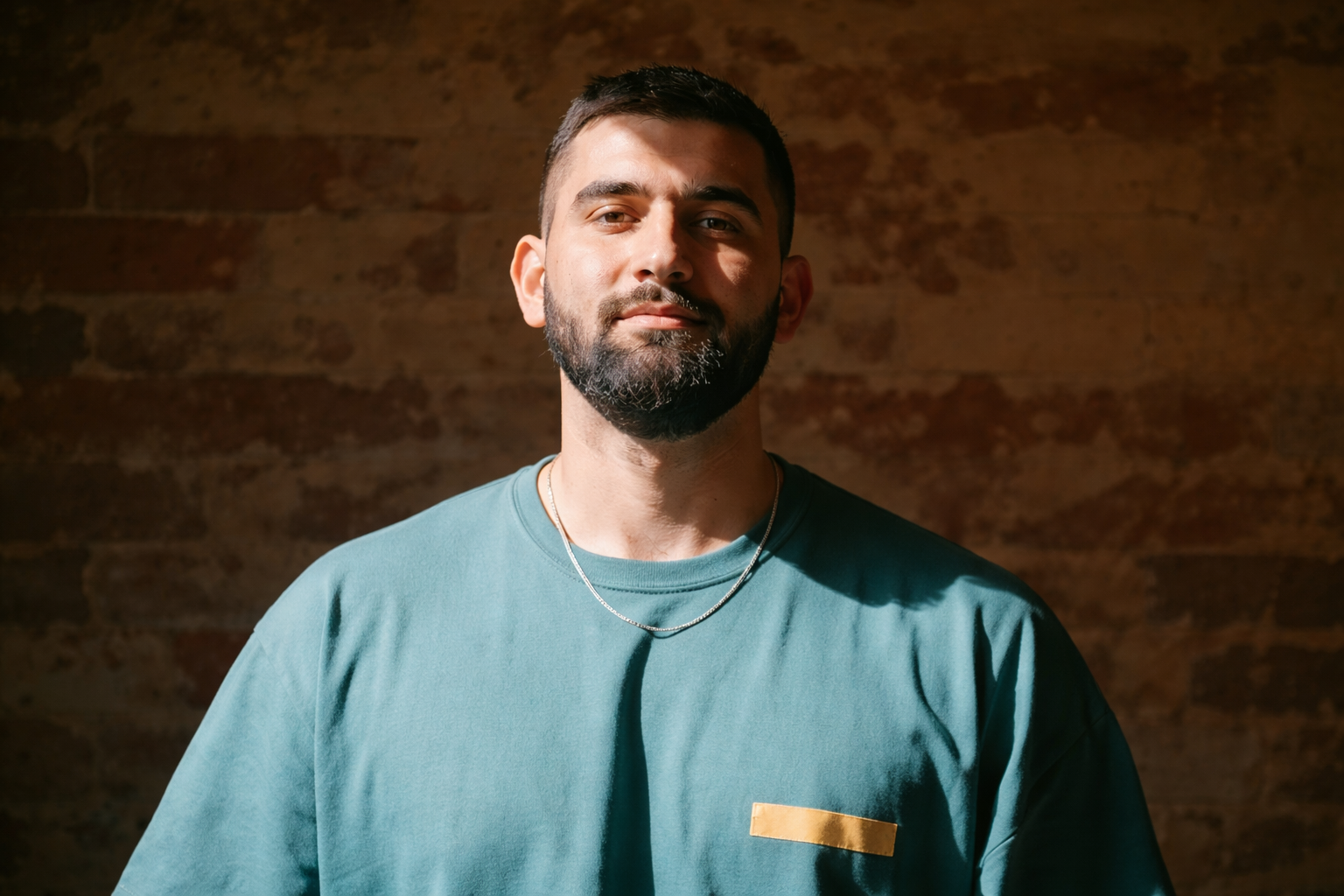
In a lot of emerging markets, managing money still comes with too much friction. Getting paid by international clients can take longer than it should. Saving in local currency can feel risky when inflation keeps eating away at value. Sending money across borders often means dealing with delays, extra fees, and a patchwork of tools that were never designed to work smoothly together.
That is the gap Shahryar Hasnani is trying to close with Karsa.
Rather than building another fintech product that only makes sense to a niche group of crypto users, Karsa has been positioned as something far more practical. The company is focused on helping people in emerging markets access digital dollars, receive international payments, move money globally, and spend more easily without relying on the kind of traditional banking systems that often feel slow, limited, or simply unavailable.
That clear focus is a big reason Shahryar Hasnani has started to stand out. Karsa is not trying to win attention with noise. It is building around a real financial problem that millions of people deal with every day.
The gap Shahryar Hasnani saw in emerging market finance
The fintech space is crowded, but crowded does not mean every real problem has been solved. In many emerging economies, people still face a basic issue that users in stronger banking systems often take for granted. They need a reliable way to hold value, get paid internationally, and move money without losing time or money at every step.
For freelancers, remote workers, founders, online sellers, and globally connected professionals, this problem is even sharper. They may earn from clients abroad, work with international platforms, or need access to USD-linked savings, but the tools available to them are often fragmented. One app might help with payments. Another might help with crypto. A third might help with card spending. None of them feel fully built around everyday financial life.
That is where Karsa found its opening.
Shahryar Hasnani appears to have understood that the problem was not just about moving money. It was about creating a cleaner financial experience for people living in markets where inflation, currency instability, and cross-border payment barriers are part of normal life. Karsa’s value is not only in speed. It is in reducing friction across the full journey.
Why Karsa stood out from the start
A lot of fintech products begin with technology and then look for a problem to attach it to. Karsa feels more interesting because the story runs in the other direction. The company is built around a clear everyday use case.
Its public positioning is simple enough to understand quickly. Karsa is presented as a global dollar account for people in emerging markets. That message matters because it immediately tells users what the product is trying to help them do. It is about dollar access, smoother payments, and easier financial control.
That clarity gives Karsa a stronger identity than many early-stage startups. It is not trying to sound overly technical. It is not speaking only to crypto traders or finance insiders. It is talking to people who want a better way to save, send, receive, and spend.
That kind of product framing can make a real difference in fintech. The companies that gain traction are often the ones that explain themselves in plain language while solving a painful problem in a very direct way. Shahryar Hasnani seems to have leaned into that approach with Karsa.
How Shahryar Hasnani shaped Karsa around everyday usability
One of the strongest parts of Karsa’s story is that it is not just selling an abstract idea. It is building around actions people actually care about.
Users want to protect savings from currency instability. They want to receive payments from abroad without unnecessary complications. They want to send money globally when needed. They want to withdraw locally. They want to spend online and in person without depending on multiple disconnected services.
Karsa’s product direction brings those needs together under one umbrella.
That matters because the average user is not looking for a more complicated financial stack. They are looking for fewer steps, lower friction, and a product that feels usable from day one. In emerging markets, convenience is not just a nice feature. It often decides whether a product becomes part of everyday life or stays stuck as a tool for a small niche.
By building Karsa around practical financial behavior rather than around technical jargon, Shahryar Hasnani has helped position the company in a more durable way. It feels closer to a financial utility than a trend-driven startup.
The role of digital dollars and stablecoin rails in Karsa’s model
A big part of Karsa’s appeal comes from the way it connects real-world user needs with modern financial infrastructure.
Digital dollars and stablecoin rails have become increasingly relevant in markets where local currency can lose value quickly or where access to traditional dollar-based products is limited. For many people, these tools are attractive because they offer a way to hold value in a more stable form while still operating in a digital, flexible environment.
But there is an important difference between having access to the technology and having a product that makes it useful in daily life.
That is where Karsa seems to be making a smarter bet. Instead of pushing users into a highly technical experience, the company is abstracting the complexity. The infrastructure may involve stablecoins and alternative rails under the hood, but the user-facing story stays simple. Save in digital dollars. Receive money internationally. Send funds globally. Spend with a card. Withdraw locally.
That combination is powerful because it brings newer financial rails closer to mainstream use. It makes the product more accessible to freelancers, remote workers, digital entrepreneurs, and people who simply want more control over their money.
Why Pakistan became an important early market
Pakistan stands out as a meaningful part of Karsa’s early story, and that makes sense.
It is a market where international earning, freelance work, and digital finance have all grown in visibility, yet financial friction remains very real. Many users still deal with delayed payments, expensive workarounds, difficulty accessing dollar-based savings, or limited tools for smoother cross-border transactions.
For a startup like Karsa, that creates a strong opening. The need is already there. The audience already understands the pain point. The product does not need to manufacture demand. It only needs to offer a better answer.
That is one reason Shahryar Hasnani’s work with Karsa feels timely. The company is not trying to invent a problem that users may or may not care about. It is stepping into a market where the problem is already widely felt.
Karsa’s broader relevance also goes beyond Pakistan. Its public messaging has pointed to activity across multiple emerging markets, which strengthens the story around scale. If the same pain points show up across different countries, then the product has room to grow beyond a single geography.
How Karsa started building momentum beyond one market
A strong startup story usually needs more than a smart idea. It needs evidence that the idea travels.
That is another reason Karsa has started to look like a fintech worth watching. Its positioning is rooted in a challenge that is not limited to one country. Currency pressure, payment friction, and poor access to reliable global financial tools are common across many emerging markets.
That creates a much bigger opportunity.
If a product can work for users in Pakistan, it may also speak to people in Nigeria, Kenya, India, Paraguay, and other markets where financial access still feels uneven. This broader relevance is important because it shifts Karsa from being seen as a local workaround to being seen as a larger fintech play.
Shahryar Hasnani’s advantage here is not just product design. It is market selection. Karsa is focused on a category where demand is already global, and where strong execution can create real word-of-mouth momentum.
The company’s pitch also fits naturally with the rise of remote work and international freelancing. More people now earn from clients, platforms, and opportunities outside their home market. That makes borderless payments and dollar access more important than ever. Karsa is building directly into that shift.
Why Y Combinator backing gave Karsa more visibility
In startup circles, Y Combinator still carries weight for a reason. It does not guarantee success, but it does signal that a company has captured the attention of one of the most recognized startup accelerators in the world.
For Karsa, that backing gave the company more than a badge. It helped sharpen the market’s attention around what Shahryar Hasnani and the team were building.
YC backing often helps early-stage startups in three ways. First, it adds credibility. Second, it increases exposure with investors, talent, and potential partners. Third, it gives a company a stronger narrative in a crowded startup environment.
Karsa benefits from all three.
The company already had a compelling problem-solution story. Adding Y Combinator to that story made it easier for more people to take a serious look. It also helped frame Karsa as more than just an interesting concept. It became a startup with early validation, founder ambition, and a market large enough to matter.
For Shahryar Hasnani, that matters because startup success is not only about building. It is also about creating confidence around what is being built. Karsa now has a clearer platform from which to keep growing.
What makes Shahryar Hasnani’s progress with Karsa worth watching
There are plenty of startups that talk about transformation. Fewer actually build around a daily financial problem with a product simple enough for mainstream use.
That is what makes Shahryar Hasnani’s progress with Karsa interesting.
He is building in a space where the demand is real, the pain is immediate, and the category still has room for better user experiences. Karsa sits at the intersection of fintech, cross-border payments, stablecoin utility, and financial access for underserved markets. That is a meaningful place to build, especially as more people work globally while living in economies with unstable local currencies.
The company’s rising profile also comes from the fact that its mission is easy to understand. People in emerging markets want safer ways to hold value and simpler ways to move money. Karsa is trying to deliver both in one product.
That kind of focus can take a startup a long way.
Instead of stretching into too many directions at once, Karsa is centered on a clear promise. Help users save in digital dollars, receive international payments, send money globally, cash out locally, and spend with less friction. It is a practical promise, and that is exactly why it resonates.
How Karsa reflects a bigger shift in fintech
Karsa also represents something larger than one startup story.
Fintech has been moving away from products that only serve well-banked users in mature economies. More founders are now building for markets that have historically been underserved, underbuilt, or ignored by traditional financial systems. That shift opens the door for companies that understand local pain points while using modern infrastructure to solve them.
Shahryar Hasnani’s work with Karsa fits squarely into that movement.
The company is part of a broader push toward more inclusive digital finance, but it is doing it with a focused use case rather than a vague mission statement. That makes the story stronger. Karsa is not simply saying it wants to improve finance in emerging markets. It is building a product around specific jobs users need done.
That product-first clarity is one of the main reasons Karsa has started to rise.