Digital evidence was supposed to make investigations stronger. In many ways, it has. There is more footage, more data, more messages, more records, and more possible leads than ever before. But that same flood of information has created a new problem for detectives, prosecutors, and investigators. Important details do not always stand out when they are buried inside thousands of files, long transcripts, interview notes, surveillance clips, phone dumps, and case documents.
That is the problem Aaron Zelinger is helping tackle through Closure.
As a co-founder of Closure, Zelinger is working on software built for one of the hardest environments in tech: criminal investigations. The company’s pitch is straightforward. Law enforcement is drowning in data, and Closure helps search that evidence so agencies can move faster and work smarter. In a space where delays can stall cases and overload can hide critical facts, that is a serious mission.
What makes the story interesting is that Closure is not trying to be another vague AI startup promising everything to everyone. It is focused on a very specific pain point inside public safety. That focus is a big part of why Aaron Zelinger and Closure have started to get attention.
Who Is Aaron Zelinger
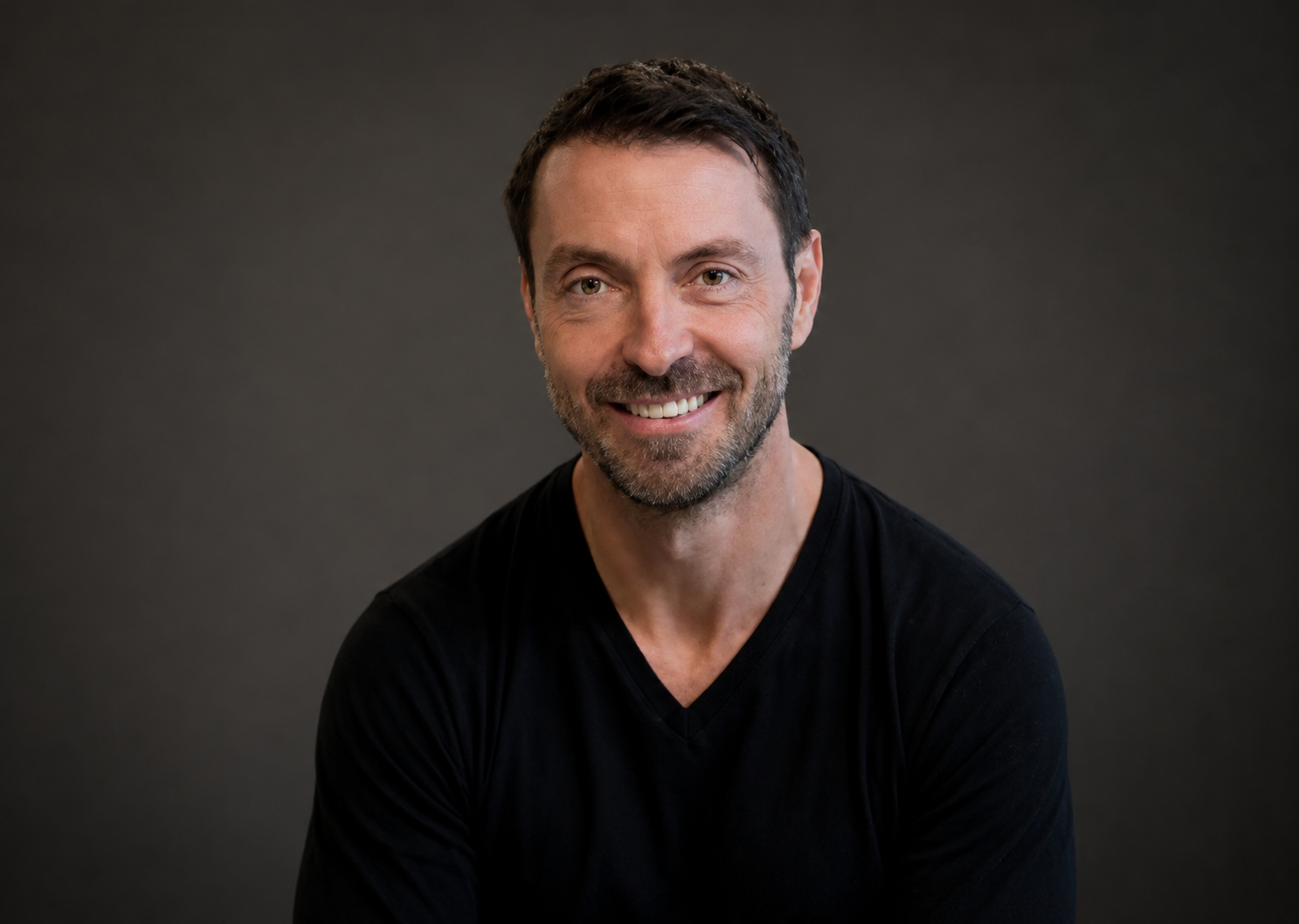
Aaron Zelinger is one of the co-founders behind Closure, a company launched in 2024 and later backed by Y Combinator’s Winter 2025 batch. Before starting Closure, Zelinger spent years at Palantir and later worked at Arena. That background matters because both roles sit close to the world of data-heavy decision-making, operational complexity, and institution-level software.
That founder background gives Closure a clear sense of direction. Zelinger did not come into this space chasing a trend. He came in with experience around real systems, real operators, and real pressure. When you look at Closure’s positioning, it feels shaped by someone who understands that software is only useful when it helps people act on information instead of getting buried under it.
There is also a practical tone to how Closure presents itself. The company talks less about hype and more about solving crime, reducing evidence overload, and helping investigators find what matters faster. That grounded framing says a lot about the founder mindset behind it.
The Problem Closure Set Out to Solve
The easiest way to understand Closure is to start with the bottleneck.
Modern investigations produce huge amounts of material. A single case can involve bodycam footage, CCTV clips, interviews, texts, call logs, scanned reports, social posts, documents, and multilingual audio. Even when all of that information is useful, it can still slow a case down if teams do not have a fast way to search, organize, and analyze it.
That is where evidence overload becomes more than an inconvenience. It becomes an operational problem.
Investigators do not just need access to data. They need a way to work through it without wasting hours on manual review. Prosecutors do not just need files. They need relevant material surfaced quickly enough to support live cases. Public safety teams do not just need storage. They need clarity.
Closure was built around that reality.
The company’s core message is simple: law enforcement is drowning in data, and searching that evidence well can help solve crime faster. It is a strong startup angle because it is based on a painful, visible problem. Anyone close to investigations already understands the issue. The volume of digital evidence is not shrinking. It is only growing.
How Closure Helps Investigators Work Faster
Closure’s product sits in the middle of search, organization, and analysis.
Public descriptions of the company point to a platform that helps agencies securely transcribe, translate, search, organize, and analyze case evidence. Instead of forcing investigators to jump from one disconnected source to another, the goal is to make large evidence sets easier to navigate and easier to question.
That matters because speed in investigations rarely comes from doing one dramatic thing better. It usually comes from removing friction in dozens of smaller steps.
If a detective can ask a plain-language question and quickly narrow in on relevant material, that saves time. If a team can trace where a finding came from, that saves time and reduces doubt. If evidence from different sources becomes more searchable, patterns become easier to spot. Small improvements like that can compound across an entire case.
This is also where Closure stands out from generic AI messaging. The value is not just that it uses AI. The value is that it applies AI to a workflow where search quality, organization, and trustworthy outputs actually matter.
For law enforcement and prosecution teams, that can mean less time buried in review and more time acting on useful leads.
Why Faster Does Not Mean Less Careful
One of the hardest parts of building technology for criminal investigations is that speed alone is not enough.
In consumer software, a rough answer might be acceptable if it gets the user moving. In criminal justice, that standard is nowhere near good enough. Investigators need confidence in what they are seeing. Prosecutors need traceability. Agencies need to know that the system is not giving them black-box outputs they cannot explain or defend.
That is why the trust layer matters so much in Closure’s story.
Public descriptions around the company emphasize reliable, verifiable answers rather than blind trust in AI. That is a meaningful distinction. It suggests Closure is not trying to replace judgment. It is trying to support it.
That approach is smart for two reasons. First, it fits the reality of the work. Serious cases need careful reasoning, not flashy demos. Second, it gives Closure a stronger position in a sector that naturally moves with caution. Agencies may be interested in AI, but they still need safeguards, explainability, and clear operational value before they adopt anything.
In other words, Closure’s promise is not just faster casework. It is faster casework with enough structure to be useful in a high-stakes environment.
Aaron Zelinger’s Role in Shaping the Mission
Founders matter more in some categories than others. GovTech and public safety software are two of those categories.
These are not markets where strong branding alone wins trust. Buyers want to know whether the founding team understands the environment, the workflow, and the consequences of getting things wrong. Aaron Zelinger’s background helps Closure answer that question.
His time at Palantir likely shaped the way he thinks about large data environments, operational users, and information that only becomes valuable when it leads to action. That does not mean Closure is a copy of anything he worked on before. It means he seems to understand a basic truth that many founders miss: more data is not the same as better decisions.
That idea runs through Closure’s positioning.
The company is not selling an abstract future. It is selling a sharper workflow for real investigators. It is trying to help police departments, prosecutors, attorneys, and analysts find the truth faster inside messy evidence sets. That is a practical mission, and it feels aligned with a founder who has spent time close to institutions that depend on usable information.
Zelinger also appears to have helped shape Closure as a mission-driven company without making it sound self-important. The tone around the business is serious about government work, serious about public safety, and still clear enough for people outside the industry to understand.
Closure’s Early Momentum in the Public Safety Space
Closure is still an early-stage company, but it already has several signals working in its favor.
The first is focus. Startups that try to solve broad problems often struggle to explain why they matter. Closure does not have that issue. Its use case is clear, its audience is clear, and its value proposition is easy to understand.
The second is founder-market fit. Aaron Zelinger’s background, paired with the company’s public safety mission, gives the startup a story that feels grounded rather than manufactured.
The third is early external validation. Closure was accepted into Y Combinator’s Winter 2025 batch, which gave the company a credible launch platform. It has also been highlighted in GovTech coverage, and public company materials say the platform is already being used by police departments and prosecutors across the United States. The company has described its work as helping investigations involving cold cases, homicides, gang conflicts, sexual assault, and other serious offenses.
That kind of traction matters because public-sector software often moves slower than the broader startup world. Getting real usage in law enforcement is not the same as winning consumer signups. It takes trust, usefulness, and a product strong enough to fit into demanding workflows.
Closure’s early momentum suggests it has started clearing those hurdles.
What Closure Says About the Future of Investigations
Aaron Zelinger’s work with Closure also points to a bigger shift.
For years, a lot of AI conversation focused on novelty. Could models write like humans? Could they summarize documents? Could they generate images? Those questions grabbed attention, but they were only part of the story.
The more durable opportunity may be in workflow software for hard industries where the information problem is real, expensive, and urgent.
Criminal investigations fit that description perfectly. The challenge is not a lack of evidence. It is the ability to search it, connect it, review it, and turn it into timely action. That is why a company like Closure feels relevant. It is applying AI where overload is obvious and where better retrieval can change outcomes.
That does not mean software will replace investigators. It means the best teams will likely use better tools to move through evidence with more speed and more confidence. In that sense, Closure is part of a larger trend toward intelligence layers that support professionals rather than trying to sideline them.
If Closure keeps growing, Aaron Zelinger’s story may end up representing something bigger than one startup win. It may show how strong founders can build meaningful companies by focusing on overlooked operational problems inside institutions that still need better software.