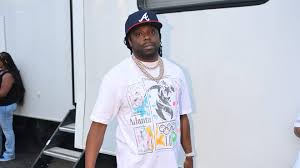
Young Scooter’s name has long been tied to Atlanta’s trap scene, a space where authenticity matters more than polish and consistency often matters more than chart positions. For fans of street rap and mixtape culture, he represents an era where music moved hand to hand, car to car, long before streaming numbers defined success. Because of that, curiosity around Young Scooter net worth is less about celebrity glamour and more about how real-life hustle, music, and setbacks translate into money over time.
Unlike mainstream rap stars who benefit from major label marketing machines, Young Scooter’s career followed a different rhythm. His financial story is shaped by mixtapes, features, regional touring, and survival through interruptions. Understanding his net worth means understanding his life story, not just his discography.
Who Is Young Scooter?
Early life and background
Young Scooter was born Kenneth Edward Bailey and grew up in Atlanta, Georgia, a city that would later define both his sound and his reputation. Atlanta’s neighborhoods, street culture, and music scene were not just influences, they were realities he lived through. Those experiences gave his music a rawness that resonated with listeners who valued honesty over commercial appeal.
His upbringing was marked by instability and exposure to street life at an early age. Music became both an outlet and an opportunity, a way to tell his story while trying to create something more sustainable than the environment around him.
Entry into music and the trap scene
Young Scooter didn’t enter music through formal studios or industry connections. His earliest work came from the same grassroots pipeline that launched many Atlanta trap artists. Recording songs, circulating mixtapes, and building buzz locally were the primary tools available to him.
Rather than chasing radio play, he focused on volume and presence. Releasing music consistently helped him build a name within the streets and among fans who valued loyalty and work ethic. This early stage brought little financial reward, but it established his identity.
Young Scooter Net Worth
When people search for Young Scooter’s net worth, they often see numbers that vary widely. That’s because underground rap careers don’t follow clean financial paths.
Estimated net worth overview
Young Scooter’s net worth is commonly estimated to be in the low to mid six-figure range, with some estimates stretching slightly higher depending on catalog valuation and recent activity. Unlike mainstream artists with endorsement deals and massive touring revenue, his wealth has been built through steady, smaller income streams.
These figures reflect accumulated earnings rather than consistent yearly salaries. Some years were profitable, others were disrupted by legal or personal issues.
Why figures vary so much
Net worth estimates for artists like Young Scooter are difficult because much of the income is informal or fluctuating. Paid features, local performances, and independent releases don’t always leave a clear public paper trail.
Additionally, expenses such as legal fees, management cuts, and personal obligations significantly affect take-home income, making gross earnings a misleading metric.
How his net worth changed over time
In the early years, income from music was minimal. As his name became more recognized in Atlanta, paid features and performances provided more consistent money. Periods of momentum were followed by interruptions, which slowed financial growth.
His net worth reflects cycles of progress and pause rather than a straight upward climb.
Breakthrough in the Atlanta Rap Scene
Mixtape era and local buzz
Young Scooter gained traction during the height of the mixtape era, when physical and digital mixtapes were the backbone of street rap. Projects circulated through DJs, local networks, and online platforms, building reputation rather than chart positions.
This era rewarded volume. Frequent releases kept his name active and helped him maintain relevance, even without mainstream promotion.
Why mixtapes mattered financially
Mixtapes didn’t generate the same revenue as albums, but they opened doors. Increased visibility led to paid shows, features, and stronger industry relationships. In this ecosystem, music functioned as marketing for live income and collaborations.
For Young Scooter, mixtapes were less about direct sales and more about positioning.
Connection with major Atlanta artists
One of the most important factors in his rise was his association with established Atlanta rappers. Collaborations and co-signs expanded his audience and solidified his place within the trap community.
These relationships didn’t just boost credibility. They also increased demand for features, which became a meaningful income source.
Record Labels, Deals, and Industry Moves
Signing and independent work
Young Scooter’s career included periods of label affiliation as well as independent releases. Each path came with trade-offs. Labels offered exposure and resources but limited financial control. Independent work allowed more ownership but required self-funding.
Switching between these models affected his earnings and long-term wealth.
How label deals affected income
Label deals often include advances that appear lucrative upfront but must be recouped. For artists at his level, advances can provide temporary financial relief but reduce long-term profit margins.
In some cases, these deals helped sustain his career during key moments, even if they didn’t dramatically increase net worth.
Industry realities
Young Scooter’s experience highlights a reality many underground artists face. Visibility doesn’t always equal financial security. Contracts, splits, and expenses determine how much money actually stays with the artist.
Music Catalog and Streaming Revenue
Mixtapes, albums, and singles
Young Scooter released a large volume of music throughout his career. Consistency helped him maintain a loyal fan base, especially among listeners who value street authenticity.
While not all releases performed equally, the size of his catalog contributes to ongoing streaming income.
Streaming platforms and digital income
Streaming changed the economics of music. For Young Scooter, platforms like Spotify and Apple Music provide steady, though modest, monthly income from his back catalog.
Rather than viral hits, his earnings rely on consistent listenership. Fans returning to older tracks create long-term value.
Ownership and monetization
Ownership plays a critical role in streaming revenue. Independent or semi-independent releases allow artists to retain a larger share of royalties, even if total streams are lower.
This structure supports gradual financial growth over time.
Collaborations, Features, and Guest Appearances
Feature verses as income
Paid features are a common revenue stream in trap music. As Young Scooter’s reputation grew, he was able to charge for guest verses, particularly within regional scenes.
Feature pricing varies based on demand, visibility, and timing. During peak periods, features likely made up a significant portion of his income.
Strategic collaborations
Rather than chasing mainstream pop features, Young Scooter often collaborated with artists aligned with his sound. This approach strengthened credibility but limited crossover exposure.
Financially, it meant steady work rather than breakout moments.
Volume versus visibility
For many underground artists, success comes from volume. Multiple smaller payments add up over time, even if none are headline-making.
Touring, Performances, and Live Shows
Concerts and club appearances
Live shows are a key income source for rappers outside the mainstream. Young Scooter performed at clubs, regional venues, and events where his core audience was strongest.
These performances provided direct cash flow, especially during active release periods.
Regional touring
Rather than national tours, much of his touring focused on the South and nearby regions. This approach reduced costs and maximized local demand.
Regional touring can be profitable when expenses are controlled, though it limits exposure.
Touring challenges
Legal issues and personal setbacks disrupted touring schedules at various points. Each interruption represented lost income and slowed financial momentum.
Legal Issues, Setbacks, and Financial Impact
Encounters with the legal system
Young Scooter’s career has been affected by legal trouble, which is not uncommon in street rap narratives. These issues caused pauses in music releases and performances.
Legal challenges carry direct costs such as attorney fees and indirect costs like lost opportunities.
Financial strain during interruptions
Periods away from music often strain finances. Without touring or releases, income slows while expenses continue.
These setbacks are a major reason his net worth did not grow as rapidly as some peers.
Rebuilding after setbacks
Each return to music required rebuilding momentum. Fan loyalty helped, but regaining financial stability took time and consistency.
His ability to return repeatedly speaks to resilience, even if it limited long-term wealth accumulation.
Lifestyle, Spending Habits, and Reality of Wealth
Street wealth versus real net worth
In rap culture, image often exaggerates wealth. Cars, jewelry, and designer clothing create perception but don’t always reflect financial security.
Young Scooter’s lifestyle, like many artists, had to balance image with reality.
Expenses and obligations
Management fees, legal costs, travel, and personal responsibilities all reduce net income. Without large endorsement deals, managing expenses becomes critical.
This reality shapes how much wealth is actually retained.
Assets and financial decisions
Artists at his level often prioritize liquidity over long-term investments. Cash flow matters more than locked assets when income is unpredictable.
This approach supports survival but limits compound growth.
Public Image and Influence in Trap Music
Reputation in the Atlanta rap scene
Young Scooter earned respect through consistency and authenticity. Within Atlanta’s trap scene, credibility often matters more than mainstream success.
This reputation sustained his career even when commercial momentum slowed.
Influence on younger artists
His style and work ethic influenced a generation of trap artists. While influence doesn’t always translate into money, it reinforces cultural relevance.
Cultural impact beyond charts
Many of his songs became street anthems, shaping the sound of a particular era. Cultural impact, while difficult to monetize directly, contributes to long-term recognition.
Comparing Young Scooter to Similar Artists
Net worth context among trap rappers
Compared to peers who crossed into mainstream success, Young Scooter’s net worth is more modest. Timing, branding, and crossover appeal played major roles in those differences.
Artists who secured major endorsements or chart-topping albums benefited from exponential growth.
What makes his financial path different
Young Scooter prioritized authenticity over broad appeal. While this choice strengthened his reputation, it limited commercial opportunities.
His financial story reflects a trade-off between staying true to his roots and maximizing earnings.
Financial Growth and Future Outlook
Current financial standing
Today, Young Scooter’s net worth reflects years of work, setbacks, and resilience. Streaming income, features, and occasional performances continue to support him financially.
While not explosive, his income remains active.
Potential for future earnings
Future releases, renewed collaborations, and catalog growth could increase earnings. In the streaming era, older music can gain new life, especially when younger audiences discover past catalogs.
Independent scaling, if paired with consistent output, offers a path toward gradual financial growth.
Young Scooter’s net worth is not a story of overnight riches. It is a reflection of real-life hustle, regional success, and the complex economics of underground rap. His career shows how influence and respect don’t always lead to massive wealth, but they do create longevity in a competitive industry.