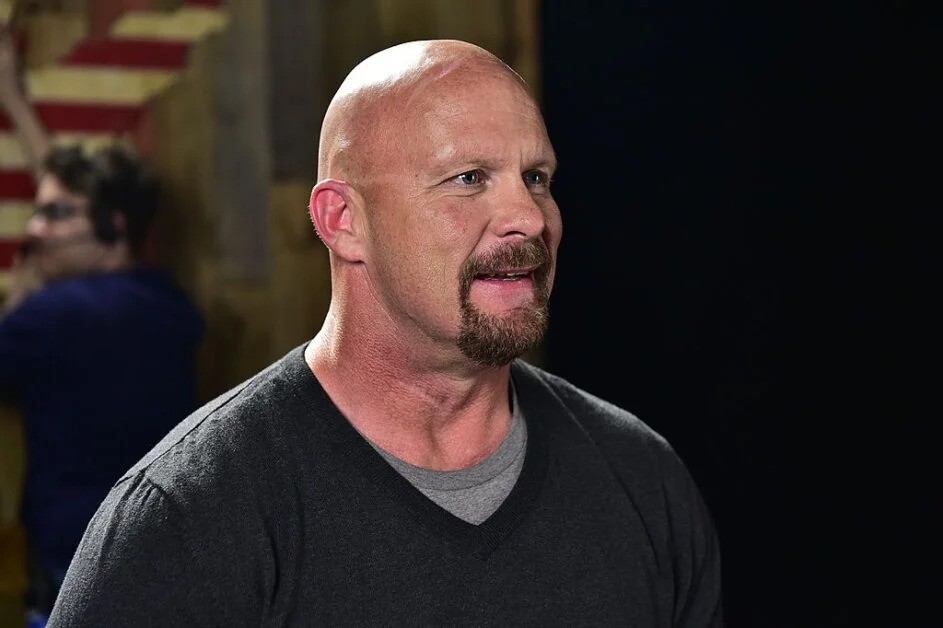
Few figures in professional wrestling have ever reached the level of cultural impact that Steve Austin achieved during the late 1990s. “Stone Cold” was not just a character. It was a movement that reshaped WWE, fueled record-breaking business, and turned Austin into one of the highest-earning performers the industry has ever seen. Even decades after his full-time wrestling career ended, fans still ask how much he earned and how his wealth has held up over time.
Steve Austin’s financial story is unique because it was built during a relatively short but explosive peak. Unlike wrestlers who stayed active for decades, Austin reached extraordinary heights quickly, suffered career-altering injuries, and then pivoted into new ways of earning. His net worth reflects wrestling paydays, merchandise dominance, WWE royalties, acting roles, and smart reinvention after stepping away from the ring.
Steve Austin Net Worth
Searches for Steve Austin’s net worth remain high because his rise happened during WWE’s most profitable era. The Attitude Era changed how wrestling made money, and Austin was at the center of it.
Estimated Steve Austin Net Worth
Steve Austin’s net worth is commonly estimated in the $30–40 million range, with some estimates placing it even higher depending on how WWE royalties and licensing deals are calculated. What makes his case interesting is that a large portion of this wealth was built in a window of just a few years at his absolute peak.
Unlike modern wrestlers who benefit from longer careers and global touring schedules, Austin’s fortune was front-loaded. His drawing power, merchandise sales, and pay-per-view dominance during the late 1990s and early 2000s created financial momentum that continues today.
How Net Worth Is Calculated for Wrestling Legends
For wrestling icons like Steve Austin, net worth is shaped by multiple income streams, including:
- WWE contracts and guaranteed downside pay
- Pay-per-view main event bonuses
- Merchandise royalties
- Licensing and residuals from WWE content
- Film, television, and hosting income
- Endorsements and brand partnerships
Even after retirement, these streams continue to generate income, especially for stars whose characters remain heavily promoted.
Early Life and Path to Wrestling
Before becoming “Stone Cold,” Steve Austin lived a far more ordinary life, one that gave no indication he would become a global wrestling icon.
Life Before “Stone Cold”
Born in Texas, Austin grew up with an interest in sports and physical competition. He worked regular jobs after high school and did not come from money. Like many wrestlers, he entered the business without financial security, driven more by ambition than guarantees.
At this stage, wrestling was not a lucrative career path. It was a gamble.
Training and Early Wrestling Career
Austin trained for professional wrestling and began working small promotions where pay was low and travel costs were high. Early earnings were inconsistent, often barely covering expenses.
This phase is critical to understanding his later success. The financial struggle taught him to value opportunity and maximize every chance when it finally arrived.
WCW Years and Career Frustration
Austin’s first taste of major-league wrestling came with World Championship Wrestling, but it was far from smooth.
Signing With WCW
WCW gave Austin national exposure and steady pay, something many wrestlers never reach. He found some success, particularly in tag-team competition, but his singles potential was largely overlooked.
Financially, WCW provided stability, but not stardom-level income.
Missed Opportunities and Limited Push
Creative decisions held him back. He was not positioned as a main-event star, which limited his earning ceiling. Pay-per-view bonuses, merchandise royalties, and top-tier contracts were reserved for others.
This frustration ultimately led to his release, a moment that seemed like a setback but became a turning point.
Arrival in WWE and Reinvention
Austin’s move to WWE changed everything, though it did not happen overnight.
Joining WWE
When Austin arrived in WWE, he was not immediately treated as a future megastar. Early gimmicks failed to connect, and his pay reflected a mid-card position.
At this point, his income was modest by WWE standards.
Birth of “Stone Cold”
The creation of the Stone Cold Steve Austin character transformed his career. The anti-authority persona struck a chord with fans who were hungry for something raw and rebellious.
As crowd reactions exploded, so did his leverage. WWE quickly recognized his drawing power, and his pay increased accordingly.
Peak Years of the Attitude Era
Steve Austin’s peak coincided with WWE’s most profitable era.
Becoming WWE’s Biggest Star
Austin became the face of WWE, headlining shows and driving ratings. As the company’s top attraction, his contract terms improved dramatically.
Main-event status meant higher guaranteed pay and a share of event revenues.
Pay-Per-View Dominance
Austin headlined multiple WrestleMania events and other major pay-per-views. These shows generated massive revenue, and top stars received significant bonuses tied to performance.
Pay-per-view earnings during this period were among the highest in wrestling history.
Merchandise Explosion
Merchandise is where Austin truly separated himself financially. “Austin 3:16” shirts became cultural symbols, selling at unprecedented levels.
Merchandise royalties brought in millions, often rivaling or exceeding his in-ring pay. This income stream alone played a huge role in building his net worth.
Injuries, Health Issues, and Early Retirement
Despite incredible success, Austin’s career was cut short by serious injuries.
Physical Toll of Wrestling
Neck and spinal injuries took a toll, limiting his ability to perform. These injuries forced him to reduce his schedule and eventually retire from full-time wrestling earlier than most top stars.
Financial Impact of Early Retirement
Retiring early meant losing future in-ring income. However, because Austin earned so much during his peak, the financial damage was minimized.
His timing mattered. He reached the top before his body gave out.
WWE Royalties and Ongoing Income
Austin never truly stopped earning from wrestling.
Licensing and Residual Earnings
WWE continues to profit from Austin’s likeness through streaming, documentaries, and classic match replays. He receives royalties from these uses, providing steady long-term income.
Video games, action figures, and apparel also contribute to ongoing earnings.
Appearances and Special Events
Austin makes occasional WWE appearances for special events and reunions. These appearances pay well and require minimal physical strain.
Acting Career and Hollywood Income
After stepping away from wrestling, Austin explored acting.
Transition Into Acting
His first film roles capitalized on his tough-guy image. While acting pay did not match wrestling peak earnings, it provided consistent income and expanded his brand.
Movies and Television Projects
Action films and television roles added diversity to his income. Acting also helped him stay relevant outside the wrestling bubble.
Television Hosting and Media Work
Austin found success in television beyond acting.
Reality TV and Hosting Roles
Hosting competition and reality shows brought steady paychecks and long-term contracts. These roles allowed him to earn without physical risk.
Podcasting and Digital Media
His podcast became a popular platform, generating revenue through sponsorships and advertising. Digital media gave him control over content and income.
Business Ventures and Brand Ownership
Austin leveraged his name into business.
Beer, Lifestyle, and Personal Branding
His beer brand and lifestyle merchandise tapped into his no-nonsense persona. Fans who grew up with Stone Cold continued to support these ventures.
Endorsements and Partnerships
Austin has been selective with endorsements, choosing brands that align with his image. This approach protected his credibility and ensured long-term appeal.
Lifestyle, Assets, and Spending Habits
Despite his larger-than-life persona, Austin’s real-life lifestyle is relatively grounded.
Living Outside the Spotlight
He values privacy and independence, living away from Hollywood’s constant attention. This low-key approach helps preserve wealth.
Real Estate and Assets
Property ownership and conservative investments have contributed to financial stability. Austin’s spending habits appear focused on sustainability rather than excess.
Net Worth Growth Over Time
Austin’s wealth story shows distinct phases.
Early Career vs Peak Wealth
Early years brought financial struggle, while peak years delivered explosive income growth. Few wrestlers have ever matched his earning power during that window.
Post-Wrestling Financial Stability
Royalties, media work, and business ventures ensured that his net worth did not decline after retirement. Instead, it stabilized and continued to grow.
Comparison With Other Wrestling Legends
Compared to peers, Austin’s fortune stands out because of how quickly it was built. Wrestlers with longer careers often earned steadily, but few matched Austin’s peak intensity.
His era, timing, and merchandise dominance created a financial legacy that remains unmatched in many ways.
What Makes Steve Austin’s Financial Story Unique
Steve Austin built his wrestling fortune through a perfect storm of timing, character, and audience connection. His net worth was shaped not by longevity alone, but by becoming the defining star of WWE’s most profitable era.
Rather than fading after injury, he reinvented himself through media, business, and selective appearances. His financial journey shows how wrestling stardom, when combined with smart choices, can create wealth that lasts long after the final match.