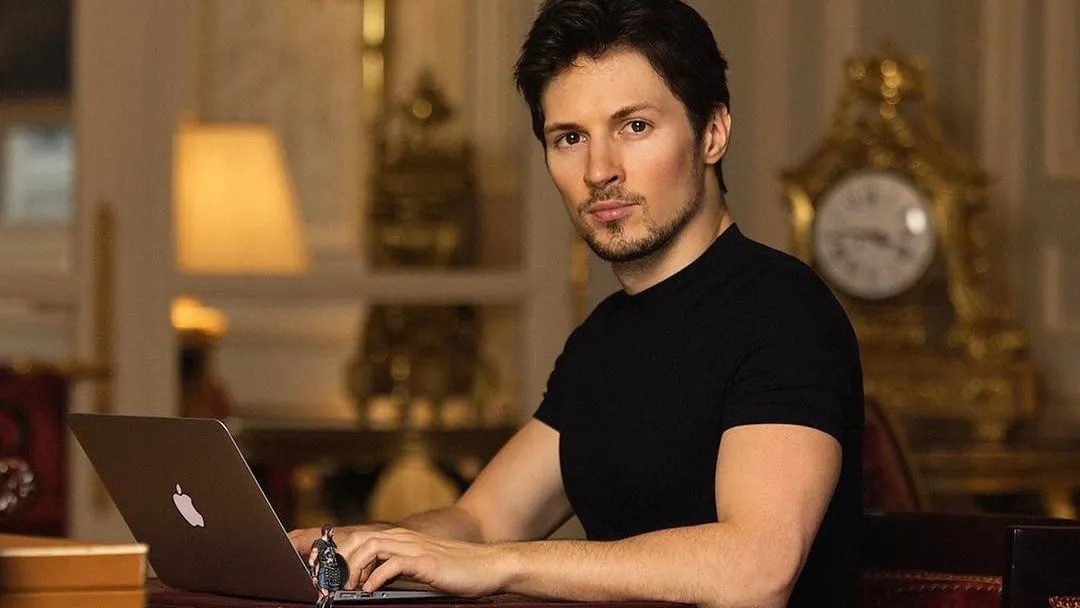
In the global tech world, few figures are as private, unconventional, and quietly influential as Pavel Durov. He avoids interviews, owns few physical possessions, and rarely comments on his wealth, yet he is widely regarded as one of the richest and most independent tech founders of his generation. As the creator of Telegram, a platform used by hundreds of millions of people worldwide, his financial standing naturally attracts attention.
What makes his story different is not just how much he is worth, but how that wealth was built and why it remains largely untouchable. Unlike many tech founders who cash out through IPOs or acquisitions, Durov’s fortune is deeply tied to ownership, ideology, and long-term control. This article breaks down where his net worth comes from, how it evolved, and why it fluctuates more than most billionaire fortunes.
Pavel Durov Net Worth
Search interest around Pavel Durov net worth has increased as Telegram continues to grow and as debates around privacy, censorship, and digital independence intensify. Despite his prominence, pinning down a precise number is difficult.
Estimated Pavel Durov Net Worth
Most credible estimates place Pavel Durov’s net worth in the multi-billion-dollar range, often cited between $10 billion and $15 billion, though figures can vary widely depending on the assumed valuation of Telegram at any given time. Some estimates push higher during periods of strong user growth or successful funding rounds, while others remain conservative due to Telegram’s private status.
The key point is that most of his wealth is illiquid. It exists primarily on paper, tied to equity rather than cash. Unlike founders who regularly sell shares, Durov has retained ownership and control, meaning his net worth can rise or fall sharply without him spending or earning a single dollar personally.
How Net Worth Is Calculated for Tech Founders
For founders like Durov, net worth calculations usually involve:
- Equity ownership in private companies
- Valuations based on funding rounds or market comparisons
- Limited cash holdings relative to total wealth
- No public stock price to anchor estimates
This is why his net worth is best understood as a range rather than a fixed figure.
Early Life and Intellectual Background
Pavel Durov’s financial journey did not begin with money, but with ideas, discipline, and an unusually strong academic foundation.
Childhood and Education
Born into an academic family, Durov grew up in an environment that emphasized learning and independence. His father was a respected scholar, and intellectual curiosity was encouraged from an early age. This background played a major role in shaping his analytical mindset and skepticism toward authority.
He spent part of his youth abroad before returning to Russia, gaining early exposure to different cultures and systems. That global perspective later influenced how he approached technology and governance.
University Years and Early Coding Talent
While studying at university, Durov quickly distinguished himself as a talented programmer. He built online platforms for student communities, experimenting with user engagement, moderation, and scalability. These early projects were not commercial successes, but they revealed his ability to design systems that people wanted to use.
More importantly, they showed his interest in decentralization and user control, themes that would define his later work and, indirectly, his wealth.
Founding VKontakte and First Major Success
Durov’s first major financial breakthrough came with the creation of VKontakte, often described as Russia’s equivalent of Facebook.
Creation of VKontakte
VKontakte was launched as a social network tailored to Russian-speaking users. It grew rapidly due to its clean design, open approach to content, and strong network effects. Within a few years, it became the most popular social platform in the region.
The platform’s success transformed Durov from a student programmer into a leading tech entrepreneur almost overnight.
Monetization and Ownership Structure
VKontakte generated revenue primarily through advertising. As the founder, Durov held a significant equity stake, which quickly became valuable as the platform expanded. On paper, his net worth grew into the hundreds of millions during this period.
However, ownership of VKontakte was shared with other investors, and this structure would later become a source of conflict.
Exit From VKontakte and Financial Turning Point
The end of Durov’s involvement with VKontakte marked a critical shift in both his philosophy and financial strategy.
Conflict With Stakeholders and Authorities
As VKontakte grew, it attracted attention from powerful business interests and government entities. Disagreements over control, censorship, and data access escalated. Durov publicly resisted pressure to comply with requests that conflicted with his values.
These conflicts eventually cost him control of the company he founded.
Selling His Stake
Durov exited VKontakte by selling his shares, reportedly for a sum that placed him firmly in the ultra-wealthy category. While exact figures were never confirmed, the sale is widely believed to have earned him hundreds of millions of dollars, possibly more.
This exit provided him with the capital and freedom to start over, but on his own terms.
The Birth of Telegram
After leaving VKontakte, Durov made a deliberate decision to build something fundamentally different.
Why Telegram Was Created
Telegram was designed as a privacy-first messaging platform, emphasizing encryption, speed, and independence from state or corporate influence. Unlike many startups, it was initially funded almost entirely with Durov’s personal wealth.
This choice avoided early investor pressure but placed significant financial risk on him personally.
Rapid Global Adoption
Telegram’s user base grew steadily, then explosively. It gained traction in countries with restricted media, among journalists, activists, and later mainstream users. Growth was organic rather than advertising-driven, which kept costs low but delayed revenue.
As Telegram’s influence expanded, so did the perceived value of Durov’s ownership stake.
Ownership and Equity in Telegram
Telegram is the primary driver of Pavel Durov’s current net worth.
Pavel Durov’s Stake in Telegram
Durov is believed to retain majority ownership and full control of Telegram. There are no public shareholders, and decision-making remains centralized around him.
This level of control is rare for a platform of Telegram’s size and directly impacts how his wealth is structured.
How Telegram’s Valuation Affects His Net Worth
Telegram’s valuation is speculative, based on user numbers, revenue potential, and comparisons to other messaging platforms. Each funding round or monetization milestone can dramatically shift net worth estimates.
Because there is no public market price, these valuations are fluid and sometimes controversial.
Telegram’s Monetization Strategy
For years, Telegram operated without meaningful revenue, a decision that puzzled many observers.
Years Without Revenue
Durov prioritized growth and independence over profit. He repeatedly stated that Telegram would not rely on invasive advertising or data monetization. During this phase, operating costs were covered by his personal funds.
This approach limited short-term income but strengthened long-term trust and adoption.
Introduction of Paid Features
Telegram eventually introduced Telegram Premium, offering enhanced features for paying users. This marked a shift toward sustainable revenue without compromising core values.
Subscription income provided recurring cash flow and improved Telegram’s financial outlook.
Advertising and Platform Services
Telegram also introduced limited advertising in large public channels. Ads are privacy-respecting and do not rely on personal data, aligning with Durov’s principles while opening a new revenue stream.
Cryptocurrency and Blockchain Involvement
Blockchain technology has played a complicated role in Durov’s financial story.
TON (The Open Network)
Telegram initially launched TON as a blockchain project intended to support decentralized services. The project raised significant funds before facing regulatory challenges, particularly in the United States.
The legal battle forced Telegram to step back, impacting both finances and strategy.
Current Relationship With TON
TON now exists as a community-driven project. While Durov is no longer directly involved, his early association continues to influence perceptions of his net worth, especially during crypto market cycles.
Investment Philosophy and Personal Wealth Management
Durov’s approach to wealth is as unconventional as his approach to technology.
Avoiding Traditional Assets
He has publicly stated that he does not own real estate or luxury items. His wealth is concentrated in digital and liquid forms, allowing maximum mobility.
This strategy reduces exposure to political risk and asset seizure.
Focus on Liquid and Digital Assets
Cash reserves, company equity, and digital-first investments dominate his portfolio. This aligns with his nomadic lifestyle and preference for flexibility over permanence.
Lifestyle and Spending Habits
Despite billionaire status, Durov’s lifestyle is intentionally minimal.
Digital Nomad Life
He does not maintain a permanent residence and frequently changes locations. This lifestyle keeps expenses relatively low compared to traditional billionaire living.
Why His Lifestyle Keeps Expenses Low
No luxury homes, no car collections, and no visible extravagance mean that his personal spending is modest relative to his wealth. This further insulates his net worth from erosion.
Legal, Regulatory, and Political Pressures
Telegram’s independence comes with constant external pressure.
Operating Outside Major Tech Jurisdictions
Telegram is structured to avoid reliance on any single government. This global positioning protects the platform but introduces legal uncertainty.
Impact on Net Worth
Regulatory challenges can affect Telegram’s valuation overnight. At the same time, resistance to pressure enhances its appeal, indirectly supporting long-term value.
Comparison With Other Tech Billionaires
Durov’s wealth looks very different from that of most tech founders.
How His Net Worth Differs
Unlike founders of public companies, he has not monetized his wealth through stock sales. His net worth exists largely in theory until liquidity events occur.
Privacy-First vs Profit-First Models
Many tech billionaires prioritize rapid monetization. Durov prioritizes control and ideology, which delays profit but may increase long-term value.
Net Worth Growth Over Time
Durov’s financial trajectory is defined by distinct phases.
Early Millions From VK
VKontakte provided his first major wealth accumulation, giving him the resources to operate independently.
Transition to Billionaire Status
Telegram’s scale pushed his net worth into the billionaire category, even without traditional revenue models.
Why His Net Worth Is Volatile
Because it depends on private valuations and geopolitical factors, his net worth can swing dramatically without any change in personal behavior.
Public Image and Media Perception
Durov’s image plays a role in how his wealth is perceived.
The “Anti-Billionaire” Billionaire
He rejects traditional displays of wealth, positioning himself as a builder rather than a spender. This fuels public fascination and skepticism in equal measure.
Why Transparency Is Limited
Private ownership and philosophical opposition to publicity mean that detailed financial information is scarce.
What Makes Pavel Durov’s Financial Story Unique
Pavel Durov’s net worth is not just a number. It represents a rare blend of technical skill, ideological commitment, and personal restraint. His fortune was built through ownership, not exits, and through independence rather than compliance.
Unlike many tech founders, his wealth is inseparable from his beliefs about privacy, control, and freedom. That makes his financial story less predictable, more volatile, and far more distinctive than most billionaire narratives.