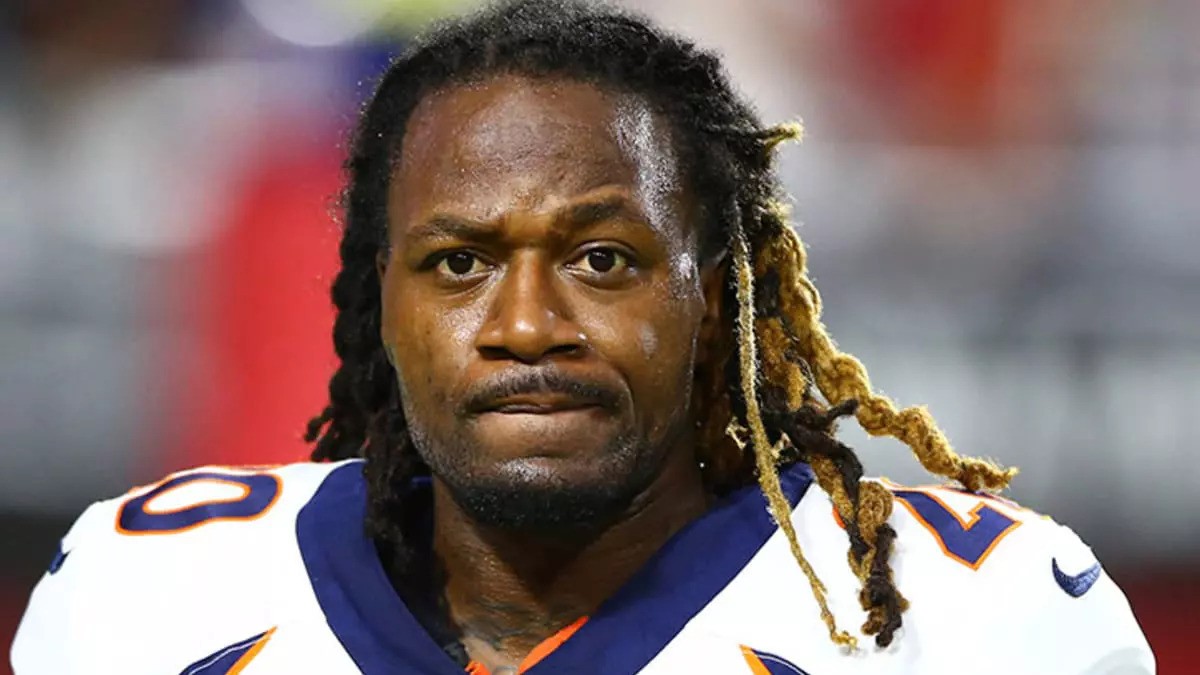
Pacman Jones has never been a simple story. From the moment he entered the NFL, he was known as much for his explosive ability on the field as for the turbulence that followed him off it. That mix of elite talent, controversy, comebacks, and missed opportunities is exactly why people still search for Pacman Jones net worth years after his final NFL snaps. His financial journey isn’t a straight climb or a sudden crash. It’s a winding road that shows how quickly money can come into a young athlete’s life, how easily it can be disrupted, and how longevity can still matter even when things don’t go perfectly.
Unlike players whose careers are defined by clean résumés and uninterrupted success, Jones represents a more complicated reality of professional sports. He earned millions, lost millions, and still managed to build lasting financial footing through persistence and repeated chances.
Who Is Pacman Jones
Pacman Jones, born Adam Bernard Jones, is a former NFL cornerback and return specialist. He played for several teams over a long professional career and became one of the most recognizable defensive backs of his era, both for his playmaking ability and his headline-making off-field issues.
Early life and background
Jones grew up in Georgia, where football was more than just a pastime. From an early age, his speed and athletic instincts stood out. He wasn’t just good; he was noticeably different. Coaches saw a player who could change games with a single return or a lockdown defensive series.
Football became a pathway to opportunity. As a teenager, Jones was already attracting attention for his physical style and confidence, traits that would later define both his success and his struggles.
College career and rising expectations
Jones played college football at West Virginia, where his skill set translated immediately. He became known as a dangerous return man and a physical cornerback who wasn’t afraid of big moments. NFL scouts took notice quickly.
By the time he entered the draft conversation, Jones was viewed as a high-upside player with star potential. Alongside that promise, concerns about discipline and maturity began to surface, foreshadowing challenges that would later affect his finances as much as his playing time.
Pacman Jones Net Worth
The central question many fans ask is simple: how much is Pacman Jones actually worth after such a turbulent career?
Estimated net worth today
Pacman Jones’ net worth is commonly estimated to fall between $5 million and $8 million. The wide range reflects the complexity of his financial history. While he earned significantly more than that during his playing years, suspensions, fines, legal expenses, and lost contracts all reduced the amount he ultimately retained.
His net worth today represents what survived after those disruptions, not the total value of his career earnings.
How his net worth was built
Jones’ wealth came from several key sources:
- NFL rookie and veteran contracts
- Signing bonuses and guaranteed money
- Performance incentives
- Short-term endorsement deals
- Paid appearances and post-career opportunities
At his peak, Jones was earning at a level consistent with top-tier defensive players. The challenge was maintaining access to those earnings consistently.
NFL draft and early contract money
Jones’ financial journey began with a fast influx of cash.
Draft day and rookie deal
Pacman Jones was selected in the first round of the NFL Draft, a life-changing moment financially. First-round picks receive substantial signing bonuses and multi-year contracts, often before they’ve played a single professional down.
His rookie deal brought immediate wealth. For a young man barely out of college, the transition from modest living to millionaire status happened almost overnight.
Early career spending and lifestyle
Sudden wealth often comes without financial education. Like many young athletes, Jones experienced a rapid lifestyle upgrade. Cars, travel, social circles, and expectations all shifted quickly.
While some spending is inevitable at that stage, early habits can have long-term consequences. Without consistent guidance, money can disappear just as fast as it arrives.
On-field talent and peak earning years
Despite off-field issues, Jones’ ability kept teams interested.
Playing style and athletic value
Jones was known for his aggression, speed, and confidence. As both a cornerback and a return specialist, he offered versatility that teams value highly. His presence could swing field position and momentum in seconds.
That kind of impact translates directly into contract value. Teams were willing to invest because Jones could deliver results when focused.
Contracts during his prime
During his peak years, Jones signed contracts that reflected his on-field contributions. Even as controversy followed him, franchises saw enough upside to keep offering opportunities.
Each new contract added to his career earnings, even when terms were shorter or more incentive-based.
Suspensions, controversies, and financial impact
No discussion of Pacman Jones net worth is complete without addressing the setbacks.
League suspensions and lost income
Jones faced multiple NFL suspensions that cost him entire seasons or large portions of them. When a player is suspended, paychecks stop. Guaranteed money can be forfeited, and bonuses can be clawed back.
These suspensions didn’t just remove income temporarily. They also weakened Jones’ negotiating power in future contracts, reducing long-term earning potential.
Fines, legal costs, and reputation damage
Beyond lost salary, fines and legal expenses took a toll. Legal representation, settlements, and penalties added up quickly. More damaging, though, was the reputational impact.
Teams price risk into contracts. As Jones’ reputation became more complicated, offers became shorter, less guaranteed, and more conditional.
Comebacks and career longevity
Despite setbacks, Jones didn’t disappear.
Returning to the NFL
After suspensions and team changes, Jones repeatedly found his way back onto NFL rosters. These comebacks were often built on short-term or prove-it deals, but they still paid well relative to most professions.
Each return extended his earning window and prevented a total financial collapse.
Staying relevant as a veteran
Later in his career, Jones adjusted his role. He wasn’t always the featured player he once was, but he remained useful. Special teams, situational defense, and veteran presence all helped him stay employed.
Longevity matters. Every additional season meant another year of income and benefits.
Endorsements and off-field income
Jones’ off-field income was more limited than his on-field earnings.
Sponsorship opportunities
Early in his career, Jones had endorsement potential. His electrifying style made him marketable. However, recurring controversies made brands hesitant.
As a result, endorsement income remained sporadic rather than a stable revenue stream.
Appearances and media work
Jones earned money through paid appearances, interviews, and later media opportunities. These weren’t massive earners compared to NFL contracts, but they provided supplemental income during and after his playing days.
Visibility, even controversial visibility, can still translate into pay when managed carefully.
Post-NFL life and income streams
Life after football is a financial adjustment for every player.
Transition out of the NFL
When Jones’ playing career ended, the steady flow of game checks stopped. Like many former players, he had to rely on savings, investments, and alternative income.
This transition is often where financial outcomes are decided. Those who plan early fare far better than those who don’t.
Business, media, or personal ventures
Jones has remained visible through media appearances and public engagements. While he hasn’t built a large post-NFL business empire, continued relevance has helped maintain income.
Diversification, even on a modest scale, helps protect net worth over time.
Lifestyle, assets, and financial decisions
Jones’ financial story includes both lessons learned and adjustments made.
Spending habits and lifestyle choices
High-earning years often come with high spending. Over time, Jones had to recalibrate his lifestyle as income fluctuated. Adjustments like downsizing and budgeting are common for athletes transitioning out of peak earnings.
Learning to live within long-term means is a critical step in preserving wealth.
Assets and long-term stability
While details of Jones’ assets are private, property ownership and managed investments often play a role in stabilising former athletes’ finances. These assets provide security beyond active income.
Financial maturity often arrives later for athletes, but it can still make a significant difference.
Public image vs financial reality
Pacman Jones’ image has often overshadowed the numbers.
Talent vs headlines
Media narratives focused heavily on controversy, sometimes obscuring Jones’ on-field value and actual earnings. While headlines suggested chaos, his bank account reflected years of professional-level income.
Reality often sits between extremes.
What his net worth really represents
Jones’ net worth represents both achievement and loss. He earned far more than he retained, but he also retained far more than many players who exited the league early.
Survival itself can be a financial victory in professional sports.
Comparing Pacman Jones net worth to other NFL players
Compared to players drafted in similar positions, Jones’ net worth is lower than it could have been, but higher than many assume. Some peers flamed out quickly, losing access to NFL money entirely.
Jones’ ability to return repeatedly kept his financial story from becoming a cautionary tale alone.
The bigger picture behind his financial story
Pacman Jones’ journey offers clear lessons. Talent can open doors, but discipline keeps them open. Financial success in the NFL depends not only on contracts signed, but on seasons played, opportunities preserved, and mistakes managed.
His net worth reflects resilience as much as reward. While turbulence limited his peak, persistence extended his earning years. In the end, Pacman Jones’ finances tell a story that’s messy, human, and instructive, proving that even uneven careers can still produce lasting financial outcomes when longevity enters the equation.