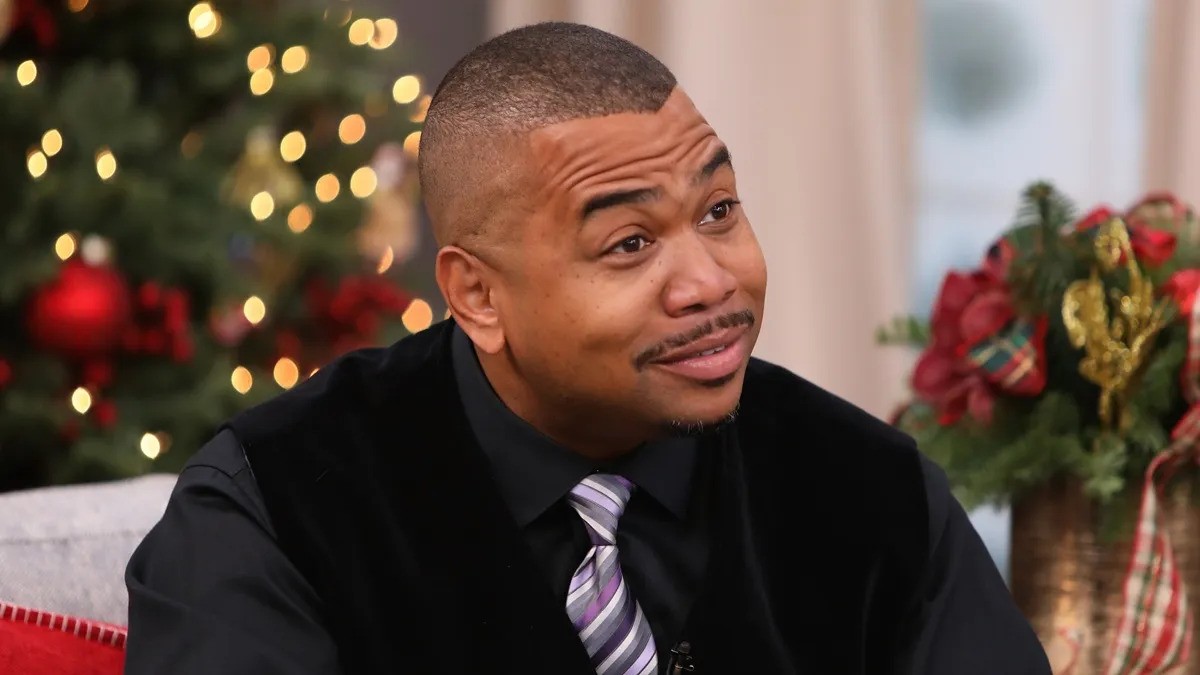
Omar Gooding is one of those actors whose face instantly brings back memories of ’90s television, even if his name doesn’t always come up first. He grew up in the spotlight, worked consistently through changing entertainment trends, and avoided many of the pitfalls that caused other young stars to fade away. That long, steady path is exactly why people remain curious about Omar Gooding net worth today. His financial story isn’t built on one massive payday or a single breakout role. Instead, it reflects decades of working, adapting, and staying relevant in an industry that rarely offers long-term stability.
While some performers burn brightly and disappear, Gooding chose a quieter route. He kept acting, took on varied roles, explored music, and stayed employed even when the spotlight shifted elsewhere. Over time, those choices added up financially in ways that aren’t always obvious from the outside.
Who Is Omar Gooding
Omar Gooding is an American actor and rapper who first gained recognition as a child and teen performer during the 1990s. He comes from a family deeply connected to entertainment, but his career has always followed its own path rather than riding solely on family name recognition.
Early life and entertainment background
Born in Los Angeles, Omar Gooding grew up surrounded by creativity, performance, and industry conversations. Entertainment wasn’t an abstract idea in his household; it was part of daily life. From an early age, he was exposed to acting, music, and the realities of working in Hollywood.
Despite that environment, his early success wasn’t automatic. Auditions, rejection, and competition were part of the process, just as they are for most young actors. What set Gooding apart was his ability to handle early fame without letting it derail his development.
Entering acting at a young age
Gooding began appearing on television while still very young. Those early roles taught him discipline and professionalism before many of his peers even considered careers. Working on set meant long hours, memorising scripts, and navigating adult environments while still growing up.
Financially, child acting rarely leads to immediate wealth. However, it provides something equally valuable: experience and industry credibility. Those early years positioned Gooding for bigger opportunities later.
Omar Gooding Net Worth
The main question fans ask now is how all of that work translates financially.
Estimated net worth today
Omar Gooding’s net worth is generally estimated to be between $2 million and $4 million. The range reflects different ways of valuing residual income, property, and long-term earnings rather than just peak salaries.
Unlike modern celebrities who earn heavily through social media and brand deals, Gooding’s net worth comes mostly from traditional acting income accumulated over many years.
How his net worth was built
His wealth comes from multiple overlapping sources:
- Sitcom and television salaries during the 1990s
- Supporting roles in film
- Long-term television work in later years
- Residuals from syndicated shows
- Music and creative side projects
None of these streams alone made him extremely wealthy, but together they created steady, lasting income.
Breakthrough years in ’90s television
The 1990s were foundational for Gooding’s career and finances.
Landing major sitcom roles
Omar Gooding became widely known through sitcoms that resonated with young audiences. These shows were part of a golden era of television, where weekly episodes attracted large, loyal viewerships.
Sitcom work provided regular paychecks, predictable schedules, and valuable exposure. For a young actor, that consistency was crucial both financially and professionally.
Financial impact of early TV fame
Sitcom salaries during the ’90s varied widely. While young actors didn’t command the massive per-episode fees seen today, steady work meant reliable income over extended periods.
Just as important, sitcom success led to syndication. Even years after episodes stopped filming, reruns continued to generate residual income, creating long-term financial value.
Growing beyond the child star label
One of the biggest challenges for young actors is transition.
Transitioning into adult roles
As Gooding grew older, he faced the same obstacle many child actors do: being taken seriously in adult roles. Some performers struggle at this stage, but Gooding approached it strategically.
He accepted a mix of roles rather than waiting for perfect leading opportunities. This kept him working and visible while allowing his image to evolve naturally.
Career choices that supported longevity
Instead of chasing stardom, Gooding focused on employability. He took supporting roles, ensemble parts, and guest appearances that broadened his range.
Financially, this approach reduced income gaps. Working regularly, even in smaller roles, often proves more sustainable than waiting years between major projects.
Film work and supporting roles
Film played a supporting but important role in Gooding’s income.
Appearing in movies alongside TV
Gooding appeared in various films, often in supporting roles. These projects didn’t always bring long-term residual income like television, but they provided solid upfront pay and expanded his résumé.
Film work also kept him connected to different parts of the industry, increasing his chances of landing future roles.
Why supporting roles matter financially
Supporting roles are sometimes overlooked, but they offer several advantages:
- Reliable one-time payments
- Broader audience exposure
- Industry credibility
For Gooding, film roles complemented television work rather than replacing it.
Television comebacks and steady work
Later in his career, television once again became central.
Returning to TV in later years
As the television landscape changed, Gooding adapted. He appeared in dramas, ensemble casts, and recurring roles that introduced him to new audiences.
These roles often paid less per episode than peak sitcom work, but they offered something just as valuable: continuity.
The value of consistency over stardom
Consistency keeps income flowing. Gooding’s willingness to keep working, even without headline roles, allowed him to maintain financial stability.
In an industry defined by unpredictability, being dependable is often more lucrative in the long run than brief fame.
Residuals, royalties, and ongoing income
A significant part of Omar Gooding net worth comes from work already done.
Sitcom syndication and reruns
Residuals are payments actors receive when shows are rebroadcast or syndicated. Sitcoms, in particular, have long lifespans through reruns.
Gooding’s early television work continues to generate residual income years later, providing passive earnings without new filming.
Streaming era and renewed visibility
Streaming platforms have revived interest in classic television shows. New generations discovering older sitcoms contribute to continued residual payments.
While streaming residuals differ from traditional syndication, they still provide meaningful income over time.
Music, creative projects, and side income
Acting wasn’t Gooding’s only outlet.
Music and artistic expression
Omar Gooding has also explored music, using it as a form of creative expression rather than a primary income engine. While music didn’t rival acting financially, it diversified his creative output.
Diversification matters. Even modest side income reduces reliance on a single career path.
Brand value without heavy commercialisation
Gooding hasn’t aggressively pursued endorsements or influencer-style branding. This keeps his public image authentic but limits short-term income potential.
Financially, this approach favours sustainability over quick cash.
Lifestyle, assets, and financial choices
Gooding’s lifestyle reflects maturity rather than excess.
Living as a long-term working actor
As fame from the ’90s faded, Gooding adjusted expectations. He continued working while avoiding the pressure to maintain a celebrity lifestyle.
This moderation is often key to preserving wealth over decades.
Assets and long-term stability
While details of his assets remain private, long-term actors typically invest in property and savings rather than speculative ventures. These choices help smooth income fluctuations.
Planning beyond entertainment is essential for career longevity.
Public perception vs financial reality
There’s often a gap between how careers look and how they pay.
Nostalgia fame vs real earnings
Being remembered fondly doesn’t automatically translate into wealth. Many ’90s stars struggle financially despite continued recognition.
Gooding’s difference lies in consistent work rather than nostalgia alone.
Respect within the industry
Gooding is known as a reliable professional. That reputation leads to repeat casting, which directly affects income.
Trust is an economic advantage in Hollywood.
Comparing Omar Gooding net worth to other ’90s TV stars
Many child and teen actors from the 1990s faced difficult transitions. Some left the industry entirely; others struggled with finances.
Gooding’s adaptability allowed him to avoid both extremes. His net worth may not match blockbuster stars, but it reflects stability and survival in a challenging field.
The bigger picture behind his financial journey
Omar Gooding’s financial story is about endurance. He entered Hollywood young, navigated shifting trends, and kept working without burning out or disappearing. Over time, that consistency created a net worth built on real labour rather than hype.
His career shows that in entertainment, longevity often beats flash. By staying flexible, grounded, and willing to evolve, Omar Gooding turned early fame into steady Hollywood work and lasting financial security.