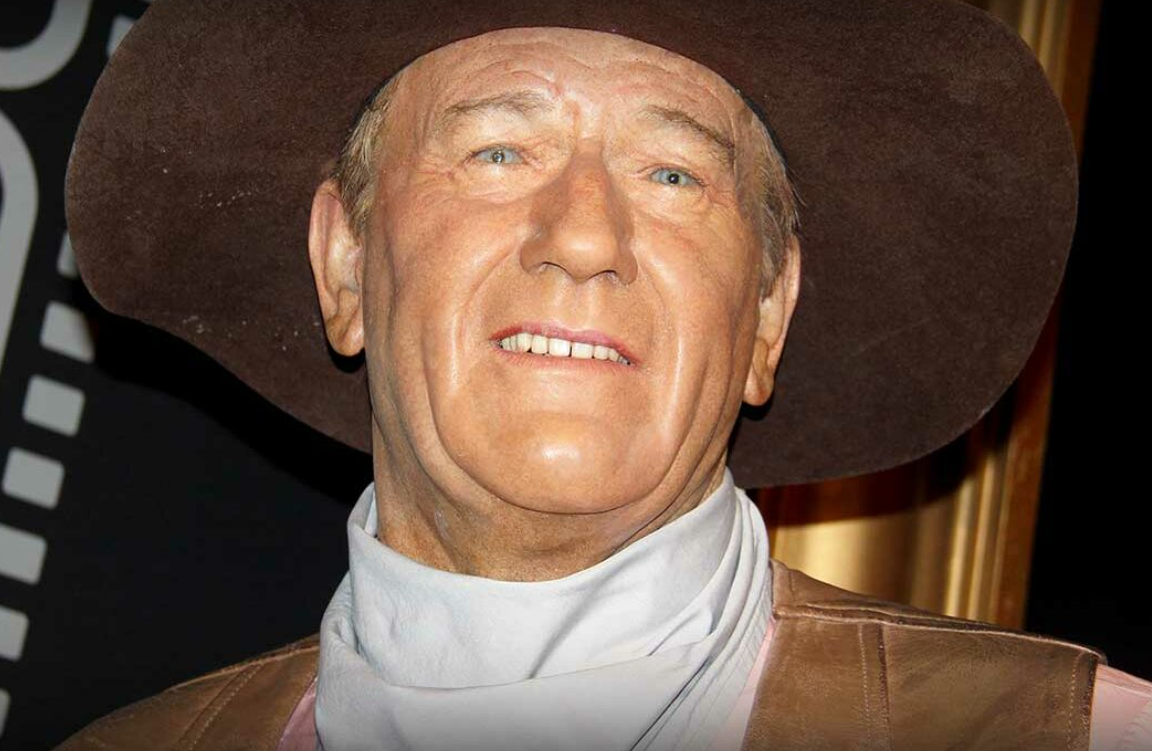
John Wayne wasn’t just a movie star. He was a symbol. For decades, his presence on screen represented strength, certainty, and a particular version of American identity that audiences connected with deeply. But behind the cowboy hats, military uniforms, and gravelly voice was a man who understood the business of Hollywood almost as well as he understood acting.
When people search for John Wayne net worth, they’re often surprised. His career began long before modern blockbuster salaries, profit participation deals, or celebrity branding as we know it today. Yet he still managed to build substantial wealth, not just through acting, but through smart career moves, business ventures, and sheer longevity.
This article explores how John Wayne, known to fans as “The Duke,” turned decades of work into a lasting Hollywood fortune and why his financial story still matters today.
Who Was John Wayne?
John Wayne was an American film actor whose career spanned more than 50 years and included over 170 films. Born far from the glamour of Hollywood, he didn’t arrive as an instant star. His rise was slow, marked by setbacks, studio politics, and years of being overlooked.
What set him apart wasn’t just his screen presence, but consistency. Once audiences connected with him, they stayed loyal. Studios recognized that loyalty and continued to cast him as a reliable box-office draw.
Over time, Wayne became more than an actor. He became a brand. That brand, built over decades, became the foundation of his wealth.
Early Career Struggles and Modest Earnings
John Wayne’s early Hollywood years were financially unremarkable. Like many actors of his era, he worked under studio contracts that offered stability but limited pay and almost no creative control.
During this period:
- Roles were small and often uncredited
- Salaries were fixed and modest
- Studios held most of the power
Wayne spent years appearing in low-budget films, especially Westerns that didn’t attract much attention. These roles paid the bills but didn’t build wealth. In fact, many actors of the time lived paycheck to paycheck, regardless of how often they appeared on screen.
Financial growth was slow. But those years mattered. They helped Wayne develop his on-screen persona and refine the character that audiences would later embrace.
Breakthrough Roles and Rise to Stardom
John Wayne’s career shifted dramatically when he landed roles that showcased his screen presence and charisma. Once audiences began recognizing him as a leading man, studios took notice.
Breakthrough success brought:
- Higher salaries
- More prominent roles
- Increased bargaining power
As his popularity grew, Wayne moved from disposable studio talent to a reliable star. That reliability translated directly into earnings. The more consistently he delivered box-office results, the more studios were willing to pay him.
This phase marked the beginning of real net worth growth. He was no longer just working, he was profiting.
John Wayne Net Worth
Estimating John Wayne net worth requires context. Actors during Hollywood’s Golden Age earned far less per film than modern stars, but Wayne compensated for this with volume, longevity, and business involvement.
At the time of his death, his net worth was estimated in the tens of millions, a significant sum for someone whose career peaked long before modern Hollywood economics.
That wealth reflected:
- Decades of steady acting income
- Film production profits
- Real estate and ranch ownership
- Ongoing royalties and licensing
His fortune wasn’t built overnight. It was the result of consistent work and smart positioning across a long career.
Movie Salaries and Studio Contracts
Classic Hollywood operated on a studio system that capped earning potential. Actors were often locked into long-term contracts with set salaries, regardless of how successful their films became.
John Wayne’s earnings evolved over time:
- Early years: low, fixed salaries
- Mid-career: higher per-film pay
- Later years: greater control and profit participation
As his star power increased, Wayne gained leverage. He negotiated better terms and, eventually, more freedom. While his per-film pay never reached modern blockbuster levels, the sheer number of films he made ensured steady income year after year.
This steady accumulation was crucial to his net worth.
Westerns, War Films, and Box Office Dominance
John Wayne became synonymous with Westerns and war films, genres that consistently performed well at the box office for decades. Audiences trusted these films, and studios trusted Wayne to carry them.
Genre consistency mattered financially:
- Repeat audiences
- Predictable box-office returns
- Long theatrical runs
By specializing without becoming stale, Wayne ensured constant demand. Studios could market his name alone, which reduced financial risk and justified higher pay.
His dominance in these genres meant he was rarely out of work, a major advantage in an industry known for instability.
Business Ventures Beyond Acting
One of the most important contributors to John Wayne’s net worth was his involvement in film production. Producing allowed him to move beyond being paid once per role.
Production involvement offered:
- Ownership stakes
- Backend profits
- Greater creative control
Instead of relying solely on acting salaries, Wayne began earning from a film’s overall success. This shift changed the financial equation. Even if acting income plateaued, production profits could continue.
This move showed his understanding of Hollywood as a business, not just a performance industry.
Real Estate, Ranches, and Physical Assets
John Wayne invested heavily in real estate and land, including ranches that reflected his public image. These assets served both lifestyle and financial purposes.
Land ownership provided:
- Long-term value appreciation
- Asset diversification
- Financial security beyond Hollywood
Unlike film income, which can fluctuate, land and property tend to hold or increase value over time. These investments stabilized his wealth and ensured that his net worth wasn’t tied entirely to his acting career.
For a star of his era, this kind of asset diversification was forward-thinking.
Branding, Image, and Cultural Influence
John Wayne’s image was one of his most valuable assets. He wasn’t just an actor playing roles. He embodied a consistent persona that audiences trusted.
That image created:
- Repeat viewership
- Licensing opportunities
- Long-term recognition
Even after films left theaters, his likeness and name continued generating value through reruns, merchandising, and cultural references.
Brand value doesn’t appear on paychecks directly, but it sustains income over time. Wayne’s brand endured far beyond his active career years.
Awards, Recognition, and Career Longevity
Awards and critical recognition played a role in extending John Wayne’s career. While he was sometimes dismissed by critics early on, later recognition reinforced his place in Hollywood.
Recognition mattered because it:
- Validated his longevity
- Opened doors to higher-profile projects
- Sustained audience interest
Longevity multiplies earnings. Each additional year of relevance adds income streams, and Wayne remained relevant far longer than most of his peers.
Lifestyle, Spending Habits, and Financial Choices
Despite his success, John Wayne didn’t live extravagantly by Hollywood standards. His lifestyle reflected comfort rather than excess.
This mattered financially:
- Lower lifestyle costs preserved wealth
- Fewer financial pressures later in life
- Ability to invest rather than overspend
Many classic Hollywood stars lost fortunes through poor financial management. Wayne avoided that fate, which allowed his net worth to grow steadily instead of peaking and collapsing.
Health Issues, Final Years, and Financial Impact
In his later years, John Wayne faced health challenges that limited his work. Reduced output often leads to reduced income, but his earlier financial decisions softened the impact.
By this stage:
- Acting income slowed
- Assets and royalties continued
- Estate planning became important
Because his wealth wasn’t dependent on constant work, he was financially secure even as his career wound down.
John Wayne’s Estate and Posthumous Earnings
John Wayne’s wealth didn’t disappear after his death. His estate continued to generate income through licensing, royalties, and the ongoing popularity of his films.
Posthumous earnings came from:
- Film reruns and home media
- Licensing of name and image
- Cultural relevance
Estate value often grows as legacy solidifies. Wayne’s name remains recognizable decades later, ensuring continued financial relevance.
Public Perception vs Financial Reality
Many people assume John Wayne was one of the richest actors of all time. In reality, his wealth must be viewed within historical context.
Compared to modern stars:
- Salaries were lower
- Profit participation was rare
- Branding opportunities were limited
Yet, relative to his era, Wayne was extremely successful. His net worth reflects what was possible through consistency, business awareness, and long-term planning in classic Hollywood.
Why John Wayne’s Net Worth Was Built on Longevity
The single biggest factor behind John Wayne’s net worth was longevity. He didn’t rely on a brief moment of fame. He worked steadily for decades.
Longevity provided:
- Compounding earnings
- Cultural staying power
- Financial resilience
Each film added to his reputation and income. Over time, those layers created a fortune that outlasted his career.
Where John Wayne’s Legacy Stands Today
Today, John Wayne remains one of the most recognizable figures in film history. His movies continue to be watched, discussed, and referenced.
That legacy still carries financial weight. His name represents reliability, tradition, and classic Hollywood storytelling.
John Wayne net worth tells the story of a man who understood that success wasn’t about one role or one year. It was about showing up consistently, adapting to change, and treating fame as something to build on, not something to rely on. His Hollywood fortune was earned slowly, protected carefully, and extended well beyond his lifetime.