For years, B2B event marketing has had a strange problem. Companies spend serious money on trade shows, conferences, field events, private dinners, and sponsored activations, but after the event ends, many teams still struggle to answer one basic question: what did we actually get from it?
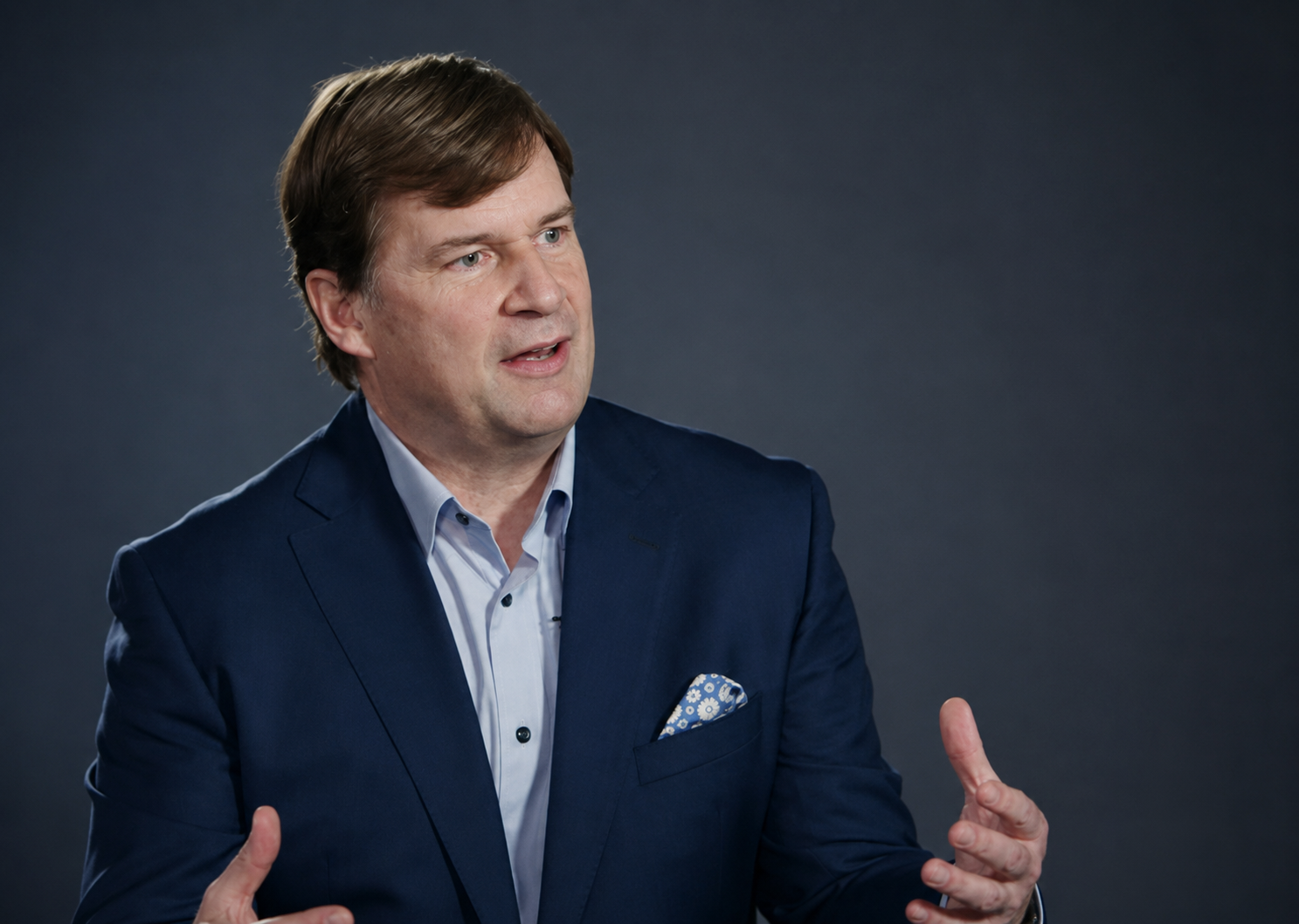
That gap is exactly where Zach Barney saw an opportunity. As the co-founder and CEO of Mobly, he is building a platform that helps companies bring more structure, speed, and measurement to in-person marketing. Instead of treating live events as one-off moments that end with a pile of badge scans and business cards, Mobly is designed to help teams capture better data, follow up faster, and connect event activity to real pipeline.
This is what makes Zach Barney’s work interesting. He is not only building another lead capture app. He is trying to give field marketing and revenue teams a cleaner way to understand which events are worth the money, which conversations matter most, and how in-person engagement can become a measurable part of the go-to-market engine.
Who is Zach Barney
Zach Barney is best known as the co-founder and CEO of Mobly, a Lehi, Utah based event marketing technology company focused on in-person go-to-market work. His background matters because Mobly is built around a problem that sales and marketing teams know well. Events can create some of the best buyer conversations, but the process around those conversations is often messy.
Before building Mobly, Barney worked around sales and revenue teams, which gave him a close view of how companies try to turn live conversations into actual opportunities. That perspective shaped Mobly’s product direction. The platform is not just about collecting names. It is about helping companies understand who they met, what happened at the event, how quickly the sales team followed up, and whether the event helped create pipeline.
That practical angle gives Zach Barney’s founder story more weight. He is solving a problem that many B2B teams already feel, especially companies that spend heavily on conferences and trade shows but still rely on spreadsheets, rented badge scanners, and slow CRM uploads.
What Mobly is building for B2B teams
Mobly describes itself as an in-person GTM platform for B2B teams. In simple terms, it helps companies plan events, capture leads, engage prospects, and measure performance across live marketing experiences.
That matters because in-person marketing is not a small side channel for many B2B companies. A single industry event can involve booth costs, travel, sponsorships, printed materials, sales reps, field marketers, and weeks of planning. When the event is over, leadership wants to know if the spend was worth it. Without clean data, that answer can be hard to defend.
Mobly helps with this by giving teams a more connected system. It can support the work before an event, during the event, and after the event. That includes choosing events, running hosted activations, capturing attendee information, enriching lead data, sending follow-up, and reviewing performance. For companies trying to make event marketing more accountable, this kind of workflow can make the difference between guessing and knowing.
The problem Zach Barney saw in event marketing
The challenge with event marketing is not that events fail to create value. The challenge is that value is often hard to track.
A sales rep may have a great booth conversation with a strong prospect. A marketer may host a dinner where several target accounts show real interest. A company may sponsor a conference and meet buyers who are already looking for a solution. But if those interactions are not captured properly, followed up quickly, and connected to the CRM, they can disappear into the noise.
This is the old event marketing problem. Data sits in too many places. Badge scanner exports arrive late. Business cards end up in pockets. Notes are incomplete. Spreadsheets get passed around. The CRM may receive the data days later, often without enough context for sales teams to act on it well.
Zach Barney’s idea with Mobly is to make that process more reliable. The goal is to turn in-person marketing from a scattered set of activities into a system that sales, marketing, and revenue operations can trust.
How Mobly makes lead capture faster and cleaner
Lead capture sounds simple until a team has to do it across different events, different badge systems, different booth teams, and different follow-up processes. This is where Mobly tries to remove friction.
The platform is built to capture leads from several sources, including badges, QR codes, business cards, handwritten name tags, and in-person interactions. More importantly, it does not stop at collecting basic contact details. Mobly can enrich lead records, score contacts against an ideal customer profile, add context, and route the information into systems such as CRM tools.
For a B2B revenue team, cleaner lead data has real value. Sales reps do not just need a name and email. They need to know who the person is, what company they work for, whether that company fits the target market, and what happened during the event interaction. When that information is captured quickly, the follow-up can feel more relevant and less generic.
This is one of the reasons Zach Barney’s approach stands out. Mobly treats lead capture as part of a bigger revenue workflow, not as a simple scanning task.
Why speed to lead is central to Mobly’s value
Live events create momentum. A prospect walks up to a booth, asks questions, compares options, and shares a problem they are trying to solve. That moment has energy. But if the first follow-up comes a week later, the conversation can lose its edge.
That is why speed to lead is such a major part of Mobly’s value. The platform is designed to help teams start follow-up while the event is still fresh. Mobly’s Pulse product supports email and text follow-up based on real event interactions, which helps sales teams continue the conversation sooner.
This matters because event leads are not always cold leads. Many of them are people who have already shown interest in person. They may have asked detailed questions, attended a session, joined a private event, or spent time with a sales rep. Fast follow-up helps protect that intent.
For Zach Barney and Mobly, this is part of making event marketing more measurable. When leads are routed quickly and follow-up happens faster, teams can track what happens next with more confidence. They can see which conversations became meetings, which meetings became opportunities, and which events created meaningful pipeline.
How Zach Barney is helping teams measure event ROI
The strongest part of Mobly’s story is its focus on event ROI. B2B marketers have become used to measuring digital channels. They can track website traffic, ad clicks, email engagement, demo requests, and pipeline attribution. In-person events have often been harder to measure with the same clarity.
Mobly is trying to close that gap.
Its Insights product is designed to help teams understand what worked, why it worked, and what should change next time. Instead of looking only at how many badge scans came in, teams can review lead quality, conversion data, speed to lead, rep activity, and pipeline impact.
This creates a better way to answer important questions. Which trade shows brought in the best-fit accounts? Which hosted events produced serious sales conversations? Which reps followed up fastest? Which campaigns created pipeline instead of just activity? Which events should get more budget next year?
That kind of visibility can change how companies think about field marketing. Events no longer have to be judged only by booth traffic or brand exposure. They can be reviewed as part of a larger revenue process.
This is where Zach Barney’s work with Mobly connects to a bigger shift in B2B marketing. Companies want human connection, but they also want accountability. Mobly is built around the idea that both can exist together.
Mobly’s move from lead capture tool to in-person revenue platform
Mobly’s early value was easy to understand: help teams capture qualified leads at in-person events and get them into sales systems faster. But the company’s product direction has grown beyond that.
Today, Mobly is moving toward a fuller in-person revenue platform. The product lineup includes Scout, Host, Capture, Pulse, and Insights. Each piece supports a different stage of the event lifecycle.
Scout helps teams evaluate which events may be worth attending before they commit budget. This is useful because event selection can be expensive and political. Teams need better ways to know where their target customers are likely to be.
Host supports branded activations, registration, check-ins, and private event experiences. This helps companies manage not only large conferences but also smaller gatherings like dinners, meetups, and customer events.
Capture focuses on collecting and enriching lead data from event interactions. This is the piece many teams think of first because it replaces the slow, messy parts of traditional event lead capture.
Pulse helps teams follow up with leads faster using email and text workflows tied to event activity.
Insights brings the measurement layer, helping marketers understand performance and connect event activity to pipeline impact.
Together, these products show how Zach Barney is positioning Mobly as more than an event app. The company is building a connected system for in-person go-to-market teams.
The funding milestone behind Mobly’s growth
A major milestone in Mobly’s growth came when the company raised $4.3 million in seed funding. The round was co-led by Jump Capital and Eniac Ventures, with participation from investors including Peterson Ventures, Tenzing.VC, Peak Ventures, Jeron Paul, and Francis Santora.
Funding alone does not prove a company will win, but it does show that investors see a real market problem. In Mobly’s case, that problem is clear. B2B companies are still spending heavily on in-person events, yet many teams do not have modern tools to measure the full value of those events.
For Zach Barney, the funding gives Mobly more room to build. It can support product development, hiring, marketing, integrations, and partnerships. More importantly, it gives the company a stronger position as event marketing teams look for tools that match the expectations of modern revenue operations.
The funding also reflects a wider belief that in-person marketing is not going away. Digital channels are crowded, buyer attention is harder to earn, and face-to-face conversations still matter. The missing piece is measurement, and that is the space Mobly is trying to own.
Why Mobly matters as in-person marketing comes back stronger
B2B marketing has changed a lot over the last decade. Teams have invested heavily in marketing automation, CRM systems, intent data, digital advertising, analytics, and revenue operations. Yet in-person marketing has often stayed behind the curve.
That creates a strange mismatch. Events can be one of the most expensive channels, but they can also be one of the least organized from a data standpoint. Companies may know exactly how a paid search campaign performed, but still struggle to explain whether a conference sponsorship created enough qualified pipeline.
Mobly matters because it brings the logic of modern GTM systems into the physical world. It gives field marketers a way to work with cleaner data. It gives sales teams faster access to better context. It gives revenue leaders more visibility into what events are producing.
This is especially important as companies return to live events with more discipline. They are not only asking whether an event felt successful. They want to know which accounts showed up, which leads were worth pursuing, how quickly sales responded, and whether the event influenced revenue.
That is the kind of measurable event marketing Zach Barney is building toward.
What makes Zach Barney’s approach different
A lot of companies talk about AI, automation, and revenue impact. What makes Zach Barney’s approach with Mobly more grounded is that the product is tied to a clear operational pain point.
Event teams do not need another vague promise. They need a way to capture leads without chaos, enrich records without manual cleanup, follow up before interest fades, and prove which events earned their place in the budget. Mobly is built around those practical needs.
The company’s AI angle also works best when seen as part of the workflow, not as the whole story. AI can help with enrichment, scoring, follow-up, event selection, and performance analysis. But the bigger value is the connected system around it. That system helps sales, marketing, and RevOps teams work from the same event data instead of piecing together the story afterward.
Zach Barney’s success comes from understanding that in-person marketing is not just a marketing activity. It is a revenue activity. When a company meets a strong prospect at a live event, that moment should not get stuck in a spreadsheet. It should move quickly into the next best action.
What B2B marketers can learn from Zach Barney and Mobly
The story of Zach Barney and Mobly offers several useful lessons for B2B marketers.
First, events need a system before the event starts. Teams should know why they are attending, which accounts matter, how leads will be captured, and how follow-up will happen.
Second, lead volume is not enough. A booth can collect hundreds of names, but if those names are poor fit or lack context, they will not help the pipeline. Clean data and lead quality matter more than raw scan counts.
Third, fast follow-up changes the value of an event. When prospects hear from a company while the conversation is still fresh, the outreach feels more connected to the moment.
Fourth, event ROI should not be treated as a guessing game. Teams need to compare event spend against lead quality, pipeline creation, conversion rates, sales activity, and revenue influence.
Finally, in-person marketing should be connected to the same revenue systems that power digital GTM. When field marketing, sales, and RevOps teams work from one shared view, events become easier to measure and improve.
That is the larger achievement behind Zach Barney’s work. Through Mobly, he is helping B2B teams take one of their most human channels and make it more structured, more accountable, and more useful for growth.