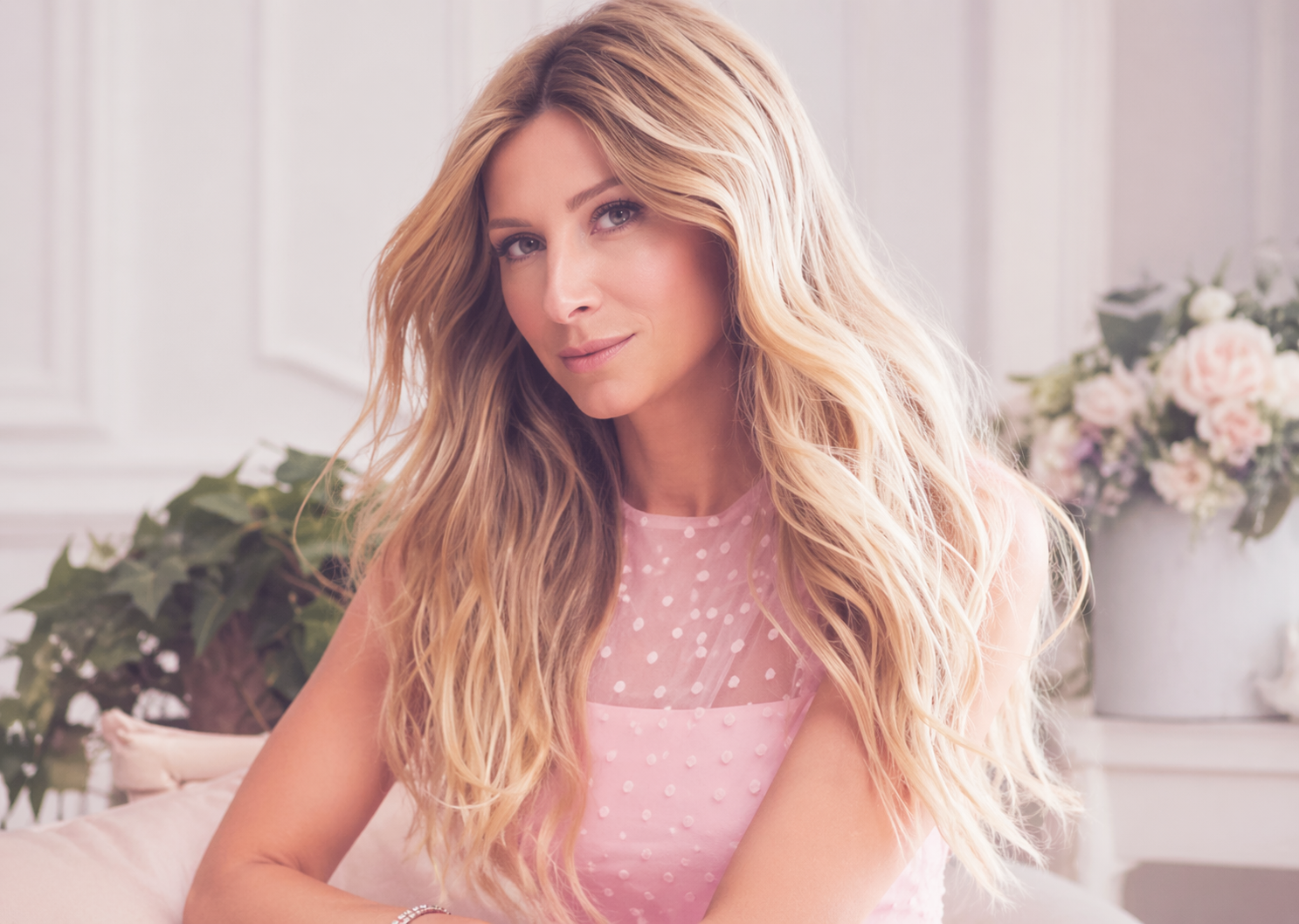
Some fashion brands begin with spreadsheets, investor decks, and a carefully mapped-out plan. LoveShackFancy began in a much more personal way. It started with a dress, a feeling, and a founder who had a very clear sense of the world she wanted to create.
Rebecca Hessel Cohen did not build LoveShackFancy by trying to appeal to everyone. She did almost the opposite. She leaned fully into a distinct point of view: romantic silhouettes, vintage inspiration, soft florals, lace, bows, and a kind of dreamy femininity that felt both nostalgic and aspirational. What could have stayed a small niche label turned into something much bigger. Over time, LoveShackFancy grew from a wedding-inspired fashion idea into a global lifestyle brand with fashion, beauty, home products, retail stores, and high-profile collaborations.
That growth did not happen by accident. It came from a strong founder vision, visual consistency, emotional branding, and the ability to turn a personal aesthetic into a business people wanted to buy into again and again.
Rebecca Hessel Cohen’s Early Fashion Background
Before she became known as the founder and creative director of LoveShackFancy, Rebecca Hessel Cohen already had a strong connection to fashion and storytelling. She worked as a fashion and beauty editor at Cosmopolitan, which gave her exposure to how brands communicate, how style gets packaged for an audience, and how visual identity can shape desire.
That background mattered. It meant she was not entering the fashion business with creativity alone. She also understood presentation, mood, and brand language. She knew that fashion is never just about the product. It is also about the feeling around the product, the imagery, the lifestyle, and the emotional connection people form with a brand.
That understanding became one of LoveShackFancy’s biggest strengths. From the beginning, the company felt like more than a clothing label. It felt like a fully formed world.
The Wedding Dress That Sparked LoveShackFancy
The story behind LoveShackFancy is one of the biggest reasons the brand has remained so memorable. In 2013, Rebecca Hessel Cohen designed a hand-dyed halter bridesmaid dress for her wedding after struggling to find exactly what she wanted. That single design ended up becoming the spark for the business.
This origin story matters because it gave the brand an emotional foundation. LoveShackFancy was not built around a trend forecast or a gap in the market identified from a boardroom. It came from a real life moment tied to celebration, love, and personal style. That beginning still shows up in the brand today.
Even now, when people think about LoveShackFancy, they often associate it with special moments. The brand is tied to the feeling of dressing up, celebrating, romanticizing everyday life, and embracing a softer, more expressive version of fashion. That emotional DNA helped the business stand out from the start.
Turning a Personal Style Into a Brand Identity
One of the smartest things Rebecca Hessel Cohen did was commit fully to a recognizable aesthetic. A lot of brands struggle because they do not know exactly what they are. LoveShackFancy never had that problem.
The visual language was clear: floral prints, delicate lace, ruffles, bows, pink tones, vintage-inspired details, and an ultra-feminine point of view. Whether someone loved the brand or simply recognized it from afar, they usually knew what they were looking at.
That kind of brand identity is powerful in fashion. It makes a label easier to remember, easier to photograph, easier to share online, and easier to expand across categories. Rebecca Hessel Cohen did not build LoveShackFancy around a logo-first strategy. She built it around a feeling-first strategy. The product, styling, retail spaces, packaging, and campaigns all worked together to reinforce that feeling.
That consistency helped LoveShackFancy become one of the more recognizable founder-led brands in modern women’s fashion. In a crowded market where many labels chase whatever is popular in the moment, LoveShackFancy kept returning to its own signature aesthetic.
How LoveShackFancy Found Its First Loyal Customers
In the early days, LoveShackFancy grew in a much more hands-on way than many people realize. Rebecca Hessel Cohen has spoken about selling dresses out of the trunk of her car, which says a lot about how founder-driven the brand was at the beginning.
That matters because many successful businesses do not begin with scale. They begin with direct contact between the founder and the customer. Selling that way forces a brand to earn attention one person at a time. It also helps a founder understand what people respond to, what excites them, and what makes them come back.
LoveShackFancy’s first customers were not just buying a dress. They were buying into a point of view. That early emotional connection helped the brand build loyalty through word of mouth, community, and visual appeal. In fashion, especially in the direct-to-consumer and lifestyle space, that kind of early loyalty can be more valuable than a quick burst of broad attention.
Rebecca Hessel Cohen also benefited from creating a brand that felt extremely shareable. The clothing photographed well, the styling felt memorable, and the overall look translated easily across social media and digital retail. That gave LoveShackFancy a stronger identity than many newer labels that were trying to be more generic or trend-driven.
Building More Than a Dress Brand
A big reason LoveShackFancy became a larger success story is that it did not stay boxed into one product category. Rebecca Hessel Cohen started with a dress-inspired idea, but she built the company as a lifestyle brand.
That shift is important. A fashion label can get attention with one hero product, but long-term growth usually comes from expanding the brand universe. LoveShackFancy moved beyond dresses into ready-to-wear, knitwear, childrenswear, accessories, home, and beauty. Each extension gave customers another way to participate in the brand.
This is where founder vision becomes especially valuable. Category expansion can easily weaken a business if it feels random. In LoveShackFancy’s case, the expansion felt natural because everything still fit the same world. The home assortment, beauty launches, and collaborations all reflected the same romantic, flower-filled identity that defined the clothing.
That is a major lesson for entrepreneurs. Expansion works best when it deepens the original brand story instead of distracting from it.
The Role of Retail Expansion in LoveShackFancy’s Growth
Retail played a major role in turning LoveShackFancy into a global fashion brand. According to the company, it now has 25 stores worldwide and 450 retail partners. That kind of footprint matters for any fashion business, but it matters even more for a brand built around mood and experience.
LoveShackFancy is not only selling apparel. It is selling atmosphere. The softness, the floral fantasy, the carefully styled visual world, and the sense of celebration all become easier to communicate in physical retail spaces. A store gives customers the chance to step inside the brand instead of just scrolling past it.
Rebecca Hessel Cohen understood that immersive retail could strengthen customer loyalty. A strong store experience helps a fashion brand feel more tangible, more premium, and more emotionally memorable. For a lifestyle label, that can be just as important as the clothing itself.
Retail expansion also helped validate LoveShackFancy as more than a digital favorite. The brand’s presence in stores and through retail partners showed that there was sustained demand for its distinct aesthetic. That helped move LoveShackFancy from cult favorite territory into a more established global fashion and lifestyle business.
Collaborations That Helped the Brand Reach New Audiences
Another smart part of LoveShackFancy’s growth strategy has been collaboration. Over the years, the brand has partnered with names like Gap, Stanley, Pottery Barn, Bogner, Supergoop, and American Girl.
These partnerships did more than create buzz. They helped LoveShackFancy reach new audiences without losing its identity. That is not always easy. Some collaborations feel disconnected from the brand at the center of them. The better ones feel like the brand has simply entered a new room.
That is what Rebecca Hessel Cohen managed to do well. A Gap collaboration could introduce LoveShackFancy to shoppers who might not have bought a dress at full price. A Stanley collection could place the brand in an everyday lifestyle category with huge visibility. A Pottery Barn collaboration could reinforce the idea that LoveShackFancy is not just something you wear. It is something you can bring into your space and daily life.
Collaborations also kept the brand culturally relevant. In a competitive retail environment, staying visible matters. Strategic partnerships gave LoveShackFancy repeat moments to reenter the conversation while staying aligned with its signature visual branding.
Expanding Into Beauty and Strengthening the Brand Universe
One of the clearest signs that LoveShackFancy had evolved into a broader lifestyle business came with its move into beauty. In 2023, the brand launched fragrance and partnered with Sephora, a major step that showed the company was ready to grow beyond apparel in a more serious way.
Beauty is a natural category for a founder-led fashion brand with a strong emotional identity. People do not buy fragrance only because of the scent. They also buy the story, the packaging, the mood, and the fantasy around it. LoveShackFancy already had those ingredients in place.
For Rebecca Hessel Cohen, beauty was not just a new revenue stream. It was a way to make the brand universe feel more complete. A customer could wear the dress, decorate with the home pieces, and now experience the brand through fragrance too. That kind of category expansion can make a company more resilient because it reduces reliance on one product lane.
The Sephora partnership also mattered from a business perspective. It gave LoveShackFancy added credibility in beauty and introduced the brand to shoppers who may have first discovered it outside fashion.
Why Rebecca Hessel Cohen’s Vision Connected With So Many Shoppers
LoveShackFancy’s success is not only about product expansion or retail growth. It is also about emotional clarity. Rebecca Hessel Cohen built a brand that people could instantly understand.
In a market filled with labels chasing minimalism, edge, or constant reinvention, LoveShackFancy leaned hard into romance, nostalgia, celebration, and femininity. That made it easier for the right customers to form a connection with the brand.
The company sells dresses, skirts, knitwear, fragrance, and home pieces, but what customers are often really buying is a mood. They are buying softness, fantasy, and a sense of occasion. They are buying into a world that feels intentionally pretty and emotionally expressive.
That kind of clarity is rare, and it is one of the reasons Rebecca Hessel Cohen was able to scale LoveShackFancy without losing the identity that made it work in the first place. The brand does not feel built by committee. It feels shaped by a founder who knows exactly what she wants it to say.
Lessons Entrepreneurs Can Learn From Rebecca Hessel Cohen and LoveShackFancy
There are several reasons Rebecca Hessel Cohen’s journey stands out beyond fashion.
First, she proved that a niche aesthetic can become a real growth advantage. Many founders worry that being too specific will limit their business. In reality, strong specificity often makes a brand more memorable.
Second, she showed that personal style can become powerful brand language when it is translated consistently. LoveShackFancy’s identity is not vague. It is visual, emotional, and instantly recognizable.
Third, she demonstrated the value of building an experience instead of just a product line. From apparel to beauty to home to retail spaces, every part of the business reinforces the same world.
Fourth, her growth strategy shows that expansion works best when it feels aligned. Collaborations, fragrance, retail stores, and additional categories all made sense because they supported the original brand story.
Finally, Rebecca Hessel Cohen built LoveShackFancy in a way that highlights the power of founder vision. In many industries, especially fashion, customers are drawn to brands that feel personal, clear, and emotionally grounded. LoveShackFancy’s rise is a reminder that strong taste, when paired with consistency and smart business moves, can become a serious competitive advantage.