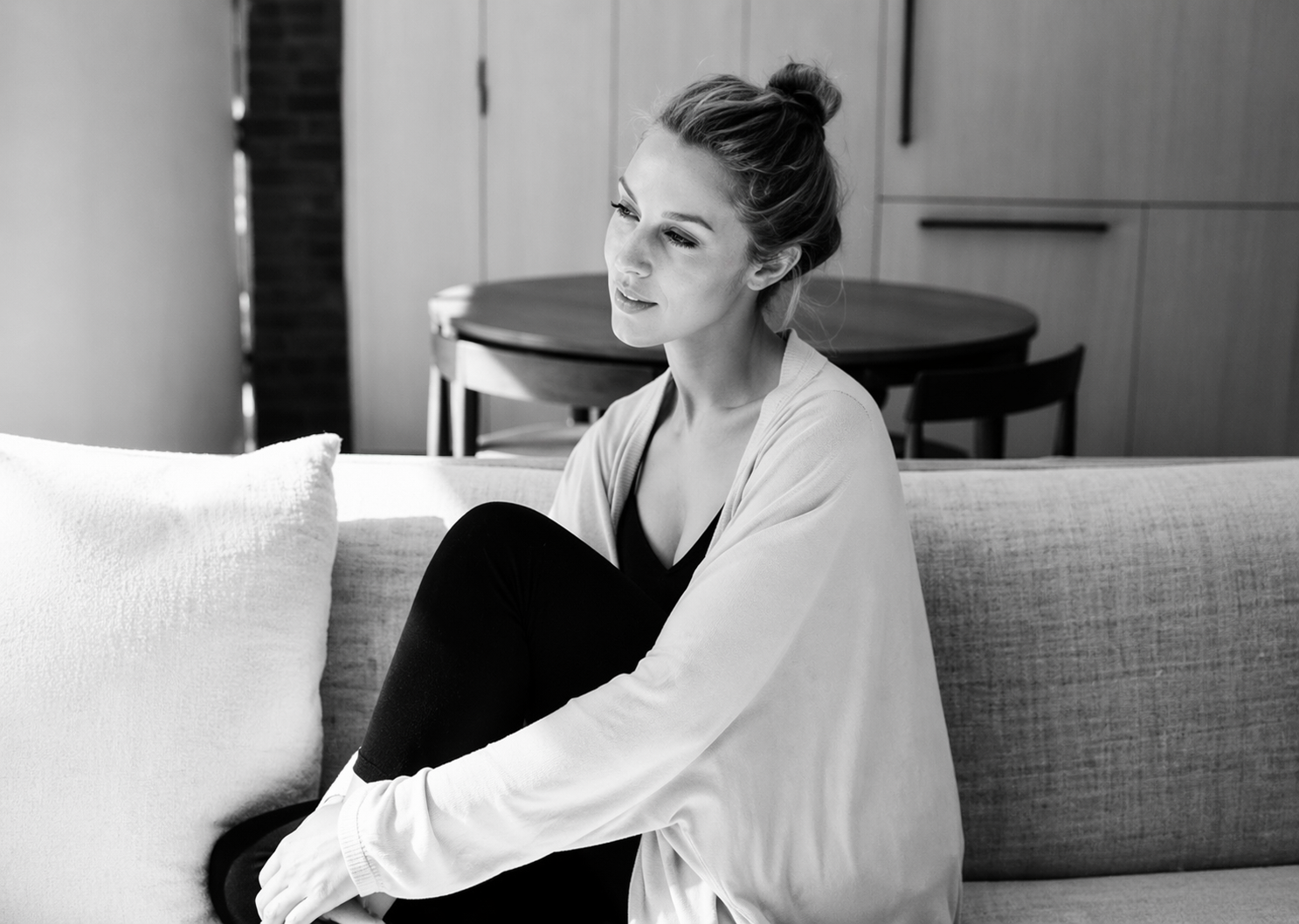
Ashley Merrill did not build Lunya by chasing a flashy trend or forcing a startup idea into the fashion space. The brand came from something much simpler and much more relatable. She noticed that the clothes many women wore to sleep felt like an afterthought. They were comfortable enough, maybe, but not especially flattering, polished, or thoughtfully designed. That gap turned into a real business opportunity.
What makes Ashley Merrill’s story interesting is that Lunya did not rise because it was loud. It grew because it had a clear point of view. The brand was built around the idea that rest matters, and that the clothes people wear during that part of the day should feel just as considered as anything else in their wardrobe. Over time, that idea helped Lunya move from a personal frustration to a recognizable retail brand with a distinct place in the premium sleepwear market.
Ashley Merrill’s Early Idea for Lunya
The foundation of Lunya started with a personal moment that felt ordinary on the surface. Ashley Merrill has shared that she looked at what she was wearing at home and realized it did not reflect how she wanted to feel. That experience pushed her to think more seriously about sleepwear as a category.
That matters because great businesses often begin when someone notices a product gap other people have learned to live with. In Merrill’s case, the issue was not that sleepwear did not exist. It was that much of it felt stuck between two extremes. On one side, there were old oversized T-shirts and mismatched basics. On the other, there were pieces that leaned too hard into being decorative without feeling practical enough for everyday life.
Lunya entered that middle ground with a sharper answer. The brand aimed to make sleepwear that felt elevated, functional, and attractive without losing comfort. That concept sounds obvious now, but at the time it gave the business a more defined purpose than simply selling pajamas.
The Problem Lunya Was Built to Solve
Ashley Merrill understood that sleepwear had long been treated like a low-priority purchase. Many shoppers spent time and money building wardrobes for work, travel, exercise, and special occasions, but not for the hours they spent unwinding and resting. That created a blind spot in the apparel market.
Lunya was built to challenge that mindset. The brand treated rest as something worth investing in. That shift gave the company a stronger emotional hook. It was never just about fabric or silhouettes on their own. It was about how someone wanted to feel when the day was finally slowing down.
That is one reason the brand resonated. Merrill was not asking customers to care about sleepwear for the first time. She was showing them that they probably already cared about it more than they realized. They wanted comfort, but they also wanted confidence, ease, and something that felt aligned with a more modern lifestyle.
This problem-solving angle gave Lunya a real foundation. Instead of trying to manufacture demand, the brand responded to a need that many consumers already felt but had not seen fully addressed.
Why Ashley Merrill’s Vision Felt Different From Traditional Sleepwear Brands
A big part of Ashley Merrill’s success came from the way she framed the business. Lunya did not position itself as just another pajama company. It built a broader identity around rest, daily rituals, and the idea that what people wear at home should work with the way they actually live.
That is where the brand’s restwear concept became important. Lunya helped push the category away from the old idea that sleepwear had to be either purely basic or overly precious. Instead, it presented sleepwear as something functional, refined, and versatile enough to fit the rhythm of modern life.
This kind of positioning matters in retail because product alone is not always enough. Plenty of brands sell soft fabrics and attractive sets. What makes one stand out is the meaning customers attach to it. Lunya gave customers a story that felt current. It connected sleepwear to self-care, restoration, and intentional living without sounding forced.
That made the brand feel bigger than a simple apparel label. It gave Ashley Merrill a platform to build a recognizable identity, not just a product line.
How Product Design Helped Lunya Gain Attention
Even the best brand story falls flat if the product does not live up to it. One of the reasons Lunya gained traction is that the design choices supported the message.
The brand became known for premium materials and construction details that made its sleepwear feel different from what many shoppers were used to seeing. Washable silk, organic Pima, and other elevated fabrics helped reinforce the luxury side of the brand, while practical details made the products feel wearable rather than delicate or fussy.
This balance was important. Ashley Merrill was not trying to build a brand that looked beautiful only in a campaign image. Lunya needed to feel good in real life. That meant paying attention to how garments moved, rested, stretched, and performed over time.
The brand’s product language also helped separate it from older sleepwear models. Instead of relying on tired clichés, Lunya leaned into thoughtful design, rest-centric construction, and pieces that were made to improve comfort in a more intentional way. That kind of product innovation gave the company real credibility.
In crowded categories, shoppers tend to remember the brands that offer a clear sensory difference. Lunya gave customers a way to feel that difference through fabric quality, fit, and function.
Building Lunya Into More Than a Product Brand
Ashley Merrill did not stop at making a better product. She helped turn Lunya into a lifestyle brand with a distinct emotional tone.
That emotional layer matters more than many founders realize. People may initially buy a product because it solves a problem, but they stay loyal when the brand fits into how they see themselves. Lunya spoke to people who wanted their homes, routines, and downtime to feel more intentional. It invited customers to think about rest as something valuable rather than passive.
This helped the company grow beyond a straightforward transactional relationship. The brand was not just saying, here is a sleep set. It was saying, your off-hours deserve care too. That message gave Lunya a kind of warmth and identity that many apparel brands struggle to build.
It also opened the door to a broader brand universe. When a company is built around a lifestyle idea instead of a single item, it has more room to evolve. That made Lunya feel more durable as a business, not just appealing as a short-term direct-to-consumer brand.
The Role of Brand Positioning in Lunya’s Growth
Strong positioning often looks simple from the outside, but getting there is hard. Ashley Merrill’s real strength was knowing how to define Lunya in a way that felt clear and memorable.
The brand sat at an interesting intersection. It had the polish of luxury sleepwear, the practicality of comfort-focused apparel, and the voice of a modern direct-to-consumer business. That combination allowed it to attract consumers who wanted something more elevated than standard loungewear but more usable than traditional luxury sleepwear.
This is where Lunya’s success becomes a business story as much as a founder story. Merrill was not only selling garments. She was helping create a category language around modern rest, premium comfort, and considered design. That is a major reason the brand became recognizable.
Recognition in retail usually comes from repetition and clarity. A customer sees the same message in the product, the branding, the experience, and the broader company voice. Lunya’s consistency made it easier for people to understand what the brand stood for.
When a brand becomes easy to describe, it also becomes easier to remember. That is one of the quiet reasons Ashley Merrill was able to turn Lunya into a stronger retail name.
Key Signs That Lunya Became a Recognized Retail Brand
Lunya’s growth was not only visible through branding. It also showed up through outside recognition and business momentum.
The company earned Inc. 5000 recognition, which gave a more concrete sign that the brand was scaling and not simply building buzz. That kind of validation matters because it shows the business had moved beyond a good idea into measurable growth.
Lunya also attracted attention because it made sleepwear feel culturally relevant in a different way. It was part of a broader shift in how people thought about home, comfort, and daily routines. As lifestyle and apparel categories began to overlap more, Lunya already had a strong head start with a brand built around those exact themes.
The company’s visibility was also strengthened by the way it presented itself as a premium but approachable retail brand. It did not try to compete on volume or noise alone. Instead, it stood out by having a point of view customers could recognize quickly.
That recognition matters because in retail, familiarity paired with differentiation is powerful. People need to know what a brand is, but they also need to understand why it is not interchangeable with the rest of the market. Lunya managed to do both.
How Expansion Strengthened Ashley Merrill’s Business Story
One of the clearest signs that Ashley Merrill had built something with real strength was the ability to expand beyond the original concept. Lunya’s extension into Lahgo showed that the core idea had room to travel.
This was significant because it suggested the original brand was not built on a narrow trend. The larger opportunity was about creating products around comfort, confidence, and better rest. That kind of idea can stretch across categories when the positioning is strong enough.
Expansion also says something important about Merrill as a founder. It shows she was not only able to spot a gap but also able to build a system around that insight. Many founders have one good product idea. Fewer are able to turn that idea into a broader platform.
That is part of what makes Ashley Merrill’s story worth paying attention to. Lunya was not just a brand with attractive marketing. It became a business with enough identity and structure to support growth beyond its original starting point.
What Entrepreneurs Can Learn From Ashley Merrill and Lunya
Ashley Merrill’s journey with Lunya offers a few lessons that apply well beyond fashion or retail.
The first is that strong businesses often begin with specific frustrations, not abstract trends. Merrill did not start with a vague ambition to enter apparel. She began with a real consumer problem she could describe clearly.
The second lesson is that positioning can be just as important as product. Lunya succeeded in part because it gave customers a new way to think about an existing category. That shift in language and identity helped the brand create emotional relevance.
The third lesson is that quality matters more when a brand asks customers to care about details. If Lunya had talked about comfort, restoration, and thoughtful design without backing it up in the product, the message would have collapsed. Instead, the product experience reinforced the story.
The fourth lesson is that category building takes consistency. Ashley Merrill did not need Lunya to be everything to everyone. She needed it to feel clear, memorable, and trustworthy to the right audience. That discipline helped the brand grow in a more durable way.
Ashley Merrill’s Lasting Impact Through Lunya
Ashley Merrill’s success with Lunya is not just about launching a premium sleepwear company. It is about changing how people think about a category that had long been overlooked.
She took something ordinary, the clothes people wear at home and in bed, and gave it more purpose, polish, and cultural relevance. In doing so, she helped build a brand that felt modern without losing practicality. That is a harder balance to strike than it looks.
Lunya became recognized because it was rooted in a real idea, shaped by thoughtful brand positioning, and supported by product choices that matched the promise. Ashley Merrill’s role in that journey stands out because she did not simply build a company around clothing. She built one around a shift in consumer mindset.
That is why Lunya’s story continues to matter. It shows what can happen when a founder sees value in a part of everyday life that other brands have ignored and turns that insight into a business people remember.