The race to build better AI infrastructure is forcing founders to think far beyond software. As demand for GPUs keeps climbing, the pressure on data centers is becoming harder to ignore. Power is expensive, cooling is complicated, land is limited, and water use is drawing more attention than it used to. That shift has opened the door for founders willing to rethink the system from the ground up.
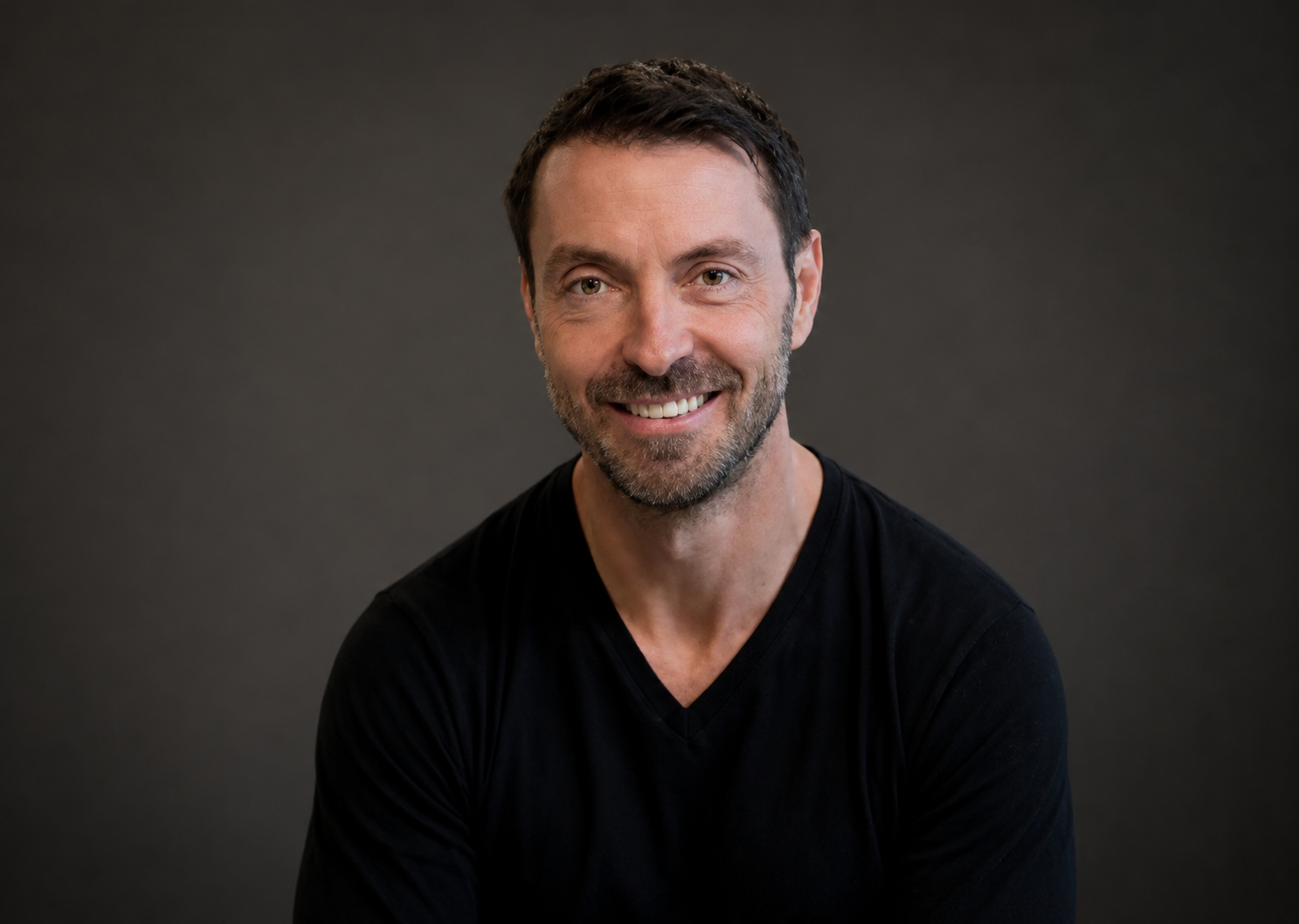
Sam Mendel is one of the people leaning into that challenge.
As the CEO and co-founder of NetworkOcean, he is helping build a company around a very unusual idea that is now getting serious attention in the infrastructure world: underwater and ocean-based data centers. It is the kind of concept that immediately stands out, but what makes it interesting is not just the headline value. The deeper story is that NetworkOcean is trying to solve a real and growing bottleneck in AI infrastructure.
That is what makes the company worth watching. This is not simply a startup trying to sound futuristic. It is a business built around a practical question. If the next decade needs far more compute, where does that compute live, how does it stay cool, and how can it run without putting even more strain on already stretched resources?
Sam Mendel and the Idea Behind NetworkOcean
Sam Mendel’s story with NetworkOcean stands out because the company is tackling a physical infrastructure problem at a time when most startup conversations still orbit software, apps, and automation layers. NetworkOcean sits in a very different category. It is a hard-tech and cloud infrastructure play with a climate and efficiency angle built into the core idea.
Publicly, NetworkOcean describes itself as a company building floating data center barges and underwater data center capsules. The central pitch is simple enough to understand even if the engineering behind it is not. Instead of relying on conventional on-land facilities that need heavy cooling systems and large footprints, NetworkOcean is building ocean data centers that use seawater cooling and aim to reduce the operational burden that traditional facilities carry.
Sam Mendel’s role in that vision matters. Founders in infrastructure markets are not only selling a product. They are selling a new way of seeing the problem. In this case, that means framing the ocean not as a strange place to put compute, but as an environment that can help make dense GPU infrastructure more efficient, faster to deploy, and less dependent on freshwater.
That is a bold position, but it also arrives at a moment when boldness is almost required. AI infrastructure is now one of the most pressured parts of the technology stack.
Why Traditional Data Centers Are Becoming Harder to Scale
A few years ago, data center conversations felt more niche. Today they sit much closer to the center of the AI economy.
Training large models, running inference at scale, and supporting high-density GPU workloads all require enormous compute capacity. That demand ripples outward into physical infrastructure. Operators need more racks, more energy, more cooling, more construction, and more land in places that already face power and zoning constraints.
This is where the economics get uncomfortable. Conventional data centers are expensive to build and slow to expand. Securing sites with enough power is difficult. Cooling becomes a major operational issue, especially in dense deployments. In some markets, water use is becoming part of the public conversation as well, especially where communities are already concerned about drought, grid strain, or industrial expansion.
That is why startups like NetworkOcean are getting traction in the conversation. They are not trying to fix a minor inefficiency. They are going after one of the biggest infrastructure bottlenecks created by the AI boom.
The rise of accelerated compute has made cooling more important than many non-specialists realize. Once racks become denser and workloads become heavier, thermal management is no longer a background detail. It becomes a business issue. It affects operating cost, reliability, deployment speed, and ultimately whether a facility can scale the way the market now expects.
How NetworkOcean Approached the Problem Differently
NetworkOcean’s answer is to move compute into ocean-based environments where cooling dynamics change in its favor.
That does not just mean one thing. The company now talks about both underwater data center capsules and floating data center barges. That broader positioning is important because it shows NetworkOcean is not presenting itself as a one-format experiment. It is building around a larger category of ocean data centers.
The logic behind the model is straightforward. Seawater cooling can reduce the amount of power required to keep systems within operating temperatures. It also gives the company a way to talk about zero freshwater consumption, which is a meaningful point in a world where traditional data centers are facing more scrutiny for water-intensive cooling methods.
There is also a speed and deployment angle here. NetworkOcean positions ocean data centers as faster to deploy than many large on-land builds. That matters because the AI market is moving faster than conventional infrastructure timelines. When demand is immediate, long construction cycles start to look like a serious disadvantage.
Another part of the pitch is density. NetworkOcean says it excels at operating high-density GPU racks, which ties the company directly to one of the hottest parts of the market. This is not just about generic server space. It is about the kind of compute environment AI companies actually care about right now.
In other words, Sam Mendel and NetworkOcean are not just proposing a new cooling method. They are proposing a different infrastructure model for GPU-heavy computing.
The Bigger Vision Behind Underwater Data Centers
The reason the idea has traveled so far, so quickly is that underwater data centers sit at the intersection of several urgent trends.
One is the search for more efficient compute. Another is the pressure to build around sustainability without sounding performative. A third is the need for new deployment models in a market where traditional real estate and power access can slow everything down.
Underwater data centers speak to all three.
They suggest a future where compute is placed closer to available cooling advantages, where freshwater use can be removed from the equation, and where infrastructure can potentially connect more naturally with offshore power sources over time. Even for people who remain skeptical, the appeal is easy to see.
That is why NetworkOcean does not feel like a random novelty. It feels like a startup trying to answer a real market question before bigger players fully reshape around it.
There is also a wider narrative at work. For years, the dominant story in tech was that software was eating the world. In the AI era, infrastructure is pushing its way back into the spotlight. Founders who can rethink data centers, energy systems, and deployment models are suddenly building in one of the most consequential parts of the stack.
Sam Mendel’s success so far comes from understanding that shift and building NetworkOcean around it.
What Helped Sam Mendel and NetworkOcean Gain Attention Early
Part of the company’s early visibility came from credibility markers that people in tech still watch closely. NetworkOcean came through Y Combinator’s Summer 2024 batch, and that alone put the company in front of a wider startup and investor audience.
But accelerator backing only gets a founder so far. What really helped NetworkOcean stand out was that the company had a story people could immediately grasp. AI is creating enormous demand for compute. Data centers are becoming more expensive and more resource-heavy. NetworkOcean wants to build a different kind of facility using the ocean as an advantage rather than a constraint.
That is a strong narrative, especially because it is tied to a genuine market pain point.
The company also gained attention because it was willing to be specific. Public materials have highlighted GPU availability, underwater testing, and a tangible vision for scaled ocean deployments. In startup communication, specificity often matters more than polished branding. It makes the company feel real.
Sam Mendel has benefited from that clarity. Instead of presenting NetworkOcean as a vague climate-tech concept or a generic AI infrastructure startup, the company has taken a firm position. It is building ocean data centers and believes that model can be cheaper, more sustainable, and better suited for the next wave of compute demand.
How NetworkOcean Connects Sustainability With AI Infrastructure
One reason NetworkOcean has drawn interest is that it connects sustainability with economics in a way that feels more grounded than many startup narratives.
A lot of companies talk about sustainability as an added layer. NetworkOcean places it much closer to the operating model. If the company can reduce power usage through seawater cooling and eliminate freshwater consumption, then sustainability is not a side benefit. It becomes part of the value proposition.
That is important because the AI infrastructure market is increasingly shaped by resource questions. The public conversation is no longer only about model performance, benchmark scores, or product velocity. It is also about the physical cost of compute. How much energy does it take? How much cooling is required? How much water is being used? How quickly can new capacity be brought online?
By building NetworkOcean around those questions, Sam Mendel is tapping into a more serious version of climate-conscious computing. It is less about branding and more about system design.
There is also something strategically smart about this approach. When a founder can make efficiency feel like both a cost story and an environmental story, the message travels further. It speaks to operators, investors, policymakers, and customers at the same time.
The Challenges Behind Building Something This Ambitious
The most interesting part of the NetworkOcean story is also the hardest part. Ambitious infrastructure ideas do not succeed on imagination alone.
Underwater data centers bring real technical, regulatory, and environmental challenges. Marine conditions are tough. Saltwater corrosion, long-term maintenance, servicing complexity, and infrastructure durability are all serious issues. Even if the engineering works, there are still questions about permits, local oversight, ecological impact, and how these systems scale from pilot deployments to repeatable operations.
That is not theoretical. NetworkOcean’s proposed testing in San Francisco Bay drew attention not only because the idea was bold, but also because it raised questions from regulators and environmental observers. In some ways, that scrutiny is part of the company’s real coming-of-age story. Once a startup moves from concept to physical deployment, the conversation gets more demanding.
That pressure can actually make the story stronger when handled well. It signals that the company is operating in the real world, where infrastructure has consequences and where public systems do not simply step aside because a concept sounds promising.
For Sam Mendel, that means success is not just about being early or imaginative. It is about proving that NetworkOcean can navigate the full stack of execution: technology, operations, compliance, environmental responsibility, and deployment.
That is a much harder test than going viral for a big idea.
What Sam Mendel’s Approach Says About the Future of Compute
What makes this company especially relevant is that it reflects a broader truth about where technology is heading.
The next phase of AI will not be shaped by models alone. It will also be shaped by whoever can build the infrastructure that supports those models more efficiently. That includes energy, cooling, deployment speed, data center design, hardware density, and access to power.
NetworkOcean is part of that wider movement. It suggests that the future of cloud infrastructure may become more geographically creative, more resource-aware, and more tightly connected to physical systems that software founders once treated as someone else’s problem.
It also hints at a future where founders stop treating data centers as fixed objects on land and start treating compute as infrastructure that can be placed more strategically. That is a subtle shift, but an important one.
If Sam Mendel and NetworkOcean are right, the future of AI infrastructure may not just be bigger data centers. It may be different kinds of data centers entirely.
Lessons Entrepreneurs Can Take From Sam Mendel and NetworkOcean
There are a few clear lessons in the NetworkOcean story.
The first is that unusual ideas get traction when they solve expensive problems. Underwater data centers are memorable, but they would not matter if they were not tied to real pain points like cooling, power use, freshwater consumption, and deployment speed.
The second is that timing matters. A concept like this would have felt far more speculative before the current wave of AI demand. Today it feels aligned with one of the biggest infrastructure pressures in the market.
The third is that founders stand out when they explain a difficult system in plain language. Sam Mendel and NetworkOcean are operating in a technically complex category, but the core pitch remains easy to understand. That makes the idea easier to follow, easier to share, and easier to take seriously.
The fourth is that ambition works best when it is paired with a concrete operating thesis. NetworkOcean is not simply saying the future should be greener or more efficient. It is saying where the efficiency comes from, how the system changes, and why that matters for GPU-heavy workloads.
For entrepreneurs, that is a useful reminder. The best startup stories are not built on grand claims alone. They are built on a sharp problem, a fresh approach, and a point of view strong enough to make people rethink what they assumed was fixed.
Why NetworkOcean Became a Company to Watch
NetworkOcean has become a company to watch because it sits where several important conversations now overlap. AI needs more compute. The world is running into data center constraints. Sustainability can no longer be separated from infrastructure design. And the market is starting to reward founders who can reimagine physical systems rather than just add software layers on top of them.
Sam Mendel’s role in that story is not just that he started an unusual company. It is that he helped frame a serious infrastructure challenge in a way that feels immediate, understandable, and commercially relevant.
That is what gives NetworkOcean momentum. The company represents a bigger shift in how people think about compute, cooling, and scale. Whether ocean data centers become a major category or remain a specialized one, NetworkOcean has already done something meaningful by pushing the conversation forward.
In a crowded startup landscape, that alone is an achievement. In AI infrastructure, where the next bottleneck is always around the corner, it could turn out to be much more than that.