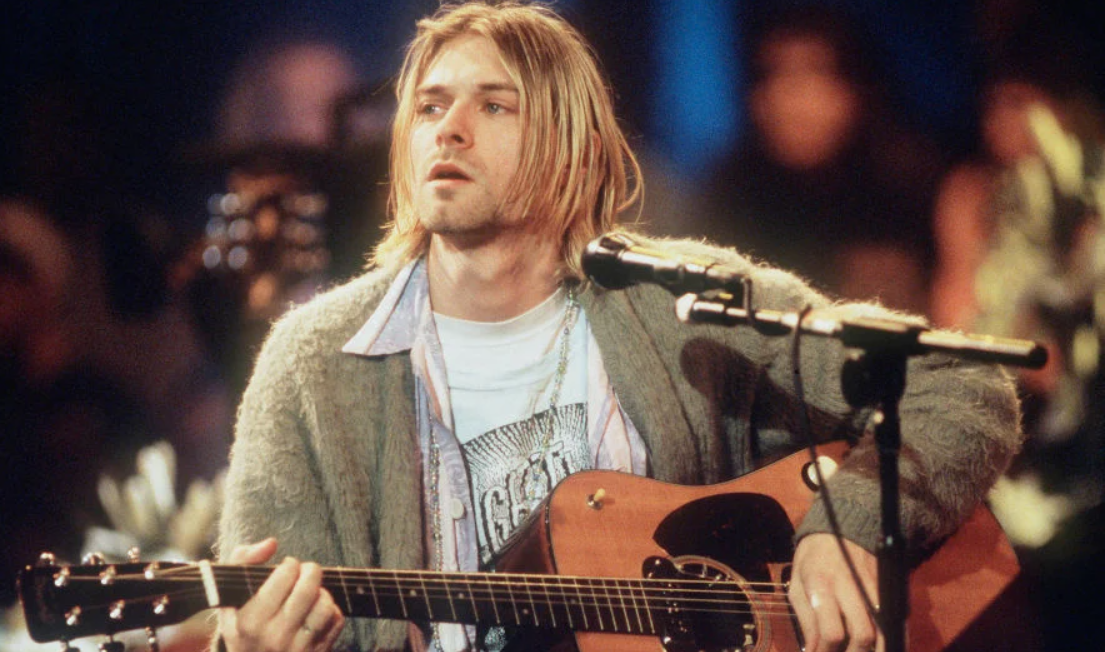
Kurt Cobain never wanted to be a financial case study. He wanted to make music that felt honest, loud, and uncomfortable in the best way. Yet decades after his death, people still search for Kurt Cobain net worth, trying to understand how someone so openly conflicted about fame ended up leaving behind one of the most valuable legacies in modern music.
The story of his wealth is not about luxury, smart investing, or long-term planning. It’s about a sudden explosion of success, a complicated relationship with money, and a legacy that grew far larger after his life ended than it ever was while he was alive. Fame, music, and legacy didn’t just shape Kurt Cobain’s wealth, they defined it in ways he never fully controlled.
This article looks at what Kurt Cobain earned during his lifetime, how money affected him personally, and why his net worth today tells a very different story than it did in the early 1990s.
Who Was Kurt Cobain?
Kurt Cobain was the frontman, songwriter, and creative force behind Nirvana, the band that pushed alternative rock into the mainstream. Born in Washington State, Cobain grew up feeling disconnected, restless, and deeply sensitive to the world around him. Music wasn’t a career goal at first, it was a way to survive emotionally.
From the beginning, Cobain rejected the idea of music as a commercial product. He valued authenticity, expression, and honesty over polish or marketability. That mindset shaped his songwriting and public persona, but it also put him at odds with the massive success that followed.
Cobain didn’t see himself as a rock star. He saw himself as an artist who happened to become famous, and that distinction explains much of his complicated relationship with money and wealth.
Early Music Years and Financial Struggles
Before Nirvana became a global phenomenon, Kurt Cobain lived on the fringes. He moved between friends’ houses, slept on couches, and struggled to maintain financial stability. The early years of his music career were defined by low-paying gigs, small audiences, and constant uncertainty.
Playing in underground venues brought little income. Recordings were done on tight budgets, often self-funded or supported by small independent labels. Any money earned went back into equipment, transportation, or basic living expenses.
This period shaped Cobain’s worldview. He wasn’t chasing wealth because wealth didn’t feel real or attainable. Music was about expression, not income. Ironically, that authenticity is what later made Nirvana so commercially powerful.
Nirvana’s Breakthrough and Sudden Wealth
The release of Nevermind changed everything almost overnight. What was expected to be a modest alternative rock album became a cultural earthquake. Sales exploded, radio embraced the sound, and Nirvana suddenly found itself at the center of mainstream music.
For Cobain, the financial shift was extreme:
- Album sales reached millions
- Touring revenue increased rapidly
- Media attention became unavoidable
Money came faster than he could process it. Within a short time, Cobain went from financial insecurity to substantial income. But the speed of that transition created tension. Wealth arrived alongside pressure, expectations, and a level of visibility he never wanted.
The success that built his net worth also deepened his discomfort with fame.
How Record Deals and Royalties Worked for Nirvana
Understanding Kurt Cobain net worth requires understanding how Nirvana made money. As the primary songwriter, Cobain earned more than just performance fees. Songwriting credits are crucial in the music industry because they generate publishing royalties.
Cobain’s income sources included:
- Album sales royalties
- Songwriting and publishing royalties
- Touring and merchandise revenue
Publishing royalties are especially important. Every time a Nirvana song is played on the radio, sold, streamed, or licensed, royalties are generated. As the main songwriter, Cobain held a significant share of that income.
Even during his lifetime, this meant his music was earning money continuously, not just at release.
Kurt Cobain Net Worth
Estimating Kurt Cobain net worth during his lifetime is challenging because his career was short and his finances were still in flux. At the time of his death in 1994, most estimates place his net worth at roughly a few million dollars.
That figure reflects:
- Massive album sales in a short period
- Royalties still accumulating
- Limited time to build diversified assets
Cobain didn’t have decades to grow investments or expand business ventures. His wealth was largely tied to music income, much of which would continue to grow only after his death.
In contrast to artists who slowly build wealth over long careers, Cobain’s net worth was concentrated, incomplete, and still evolving.
Spending Habits, Lifestyle, and Relationship With Money
Despite earning millions, Kurt Cobain did not live like a stereotypical rock star. He showed little interest in luxury, status symbols, or wealth display. In fact, he often expressed guilt and discomfort about his financial success.
Cobain spent money, but not in a way that suggested financial ambition. His purchases were practical or personal rather than extravagant. He remained emotionally aligned with his pre-fame identity, even as his bank balance changed dramatically.
This disconnect created inner conflict. Wealth contradicted his values, and he struggled to reconcile success with authenticity. Money became a source of stress rather than security.
Legal, Personal, and Financial Pressures
Fame brought not only income but legal and financial obligations. Contracts, management decisions, and industry expectations placed pressure on Cobain. Lawsuits and disputes added complexity to his financial life.
At the same time, personal struggles affected his ability to engage with money in a healthy way. Financial planning requires stability and clarity, both of which were often absent from his life during Nirvana’s peak years.
These pressures didn’t erase his earnings, but they limited his ability to control or enjoy them.
The Business Side of Nirvana After Cobain
After Kurt Cobain’s death, Nirvana’s catalog did not fade. In fact, it grew in value. The band’s music became part of cultural history, studied, reissued, and rediscovered by new generations.
Control of the catalog and rights became a central issue. Decisions around releases, licensing, and branding shaped how Cobain’s music continued to generate income.
Unlike during his lifetime, the posthumous handling of Nirvana’s business affairs focused on long-term value rather than short-term success.
Posthumous Earnings and Estate Growth
One of the most striking aspects of Kurt Cobain net worth is how much it grew after his death. Posthumous earnings far exceeded what he personally experienced.
Sources of posthumous income include:
- Album reissues and remasters
- Licensing for films, TV, and commercials
- Streaming revenue
As streaming platforms expanded, Nirvana’s music found new audiences. Each play generated royalties, steadily increasing the value of Cobain’s estate.
In many ways, his financial legacy began after his life ended.
Merchandising, Branding, and Cultural Influence
Nirvana became more than a band. It became a symbol. T-shirts, posters, documentaries, and books kept the image alive. Cobain’s face, lyrics, and aesthetic became embedded in popular culture.
While Cobain himself resisted commercialization, the brand grew regardless. Cultural relevance translates into financial value, even when the artist never intended it.
Merchandising and branding contributed significantly to estate earnings, reinforcing the idea that Cobain’s wealth was shaped by legacy rather than lifestyle.
Royalties, Streaming, and Modern Revenue Streams
Modern music consumption transformed Cobain’s financial impact. Streaming allows continuous discovery, meaning Nirvana’s music never truly stops earning.
Royalties now flow from:
- Streaming platforms
- Digital downloads
- Global licensing
These streams operate at scale. Millions of small payments accumulate into substantial income over time. This model favors timeless music, and Nirvana’s catalog fits that category perfectly.
The digital era extended Cobain’s earning power far beyond what was possible in the 1990s.
Family, Estate Management, and Financial Legacy
Managing the estate of a legacy artist is complex. Decisions must balance financial growth with respect for the artist’s values. Cobain’s estate has navigated this balance over decades.
Estate management ensures:
- Rights are protected
- Income is distributed appropriately
- Legacy remains intact
Through careful handling, Cobain’s wealth continued to grow while maintaining the cultural significance of his work.
Fame vs Control: What Kurt Cobain Never Fully Had
One of the tragedies in Cobain’s financial story is the lack of control. Success arrived too fast, and expectations followed immediately. He never had the space to define success on his own terms.
Fame dictated value. The industry monetized his authenticity in ways he didn’t choose. Financial success came without peace, and wealth did not provide relief from personal struggles.
This lack of control is central to understanding why his net worth feels detached from his lived experience.
Why Kurt Cobain’s Net Worth Is About Legacy, Not Lifestyle
Kurt Cobain did not live a wealthy lifestyle. He lived a conflicted one. His net worth today reflects something else entirely: legacy.
His wealth grew because his music mattered. Because it endured. Because it spoke to people long after he was gone. That kind of wealth isn’t planned or optimized. It emerges from impact.
Cobain’s financial story is less about what he accumulated and more about what he left behind.
Public Perception vs Financial Reality
Public perception often simplifies Cobain into a myth. Either he’s seen as a tragic figure who rejected money or as a rock icon who made millions. The reality sits between those extremes.
He earned significant money, but he didn’t build a traditional financial empire. His net worth was unfinished at the time of his death and expanded through legacy rather than strategy.
Understanding this gap helps explain why Kurt Cobain net worth is often misunderstood.
Kurt Cobain’s Place in Music History Today
Today, Kurt Cobain remains one of the most influential figures in modern music. His songs continue to inspire, challenge, and connect with listeners across generations.
That influence sustains financial value. Cultural importance drives streams, sales, and relevance. His place in history ensures that his music remains economically powerful.
Kurt Cobain net worth is ultimately the story of an artist who never chased wealth but created something priceless. Fame and money arrived faster than he wanted, but legacy arrived exactly as his art demanded. His wealth wasn’t built through planning or ambition, it was shaped by music that refused to disappear.